 Skip to content


Written by
Paul M.

Tired of lugging heavy cases of bottled water from the store? The cost adds up, and the plastic waste can feel endless. What if you could get that same crisp, pure taste right from a special tap at your kitchen sink? That is the promise of a reverse osmosis system, one of the most powerful ways to filter your water at home.
For homeowners across the country, finding a reliable reverse osmosis filter system in Canada means sorting through options and understanding local water concerns. This guide breaks down how this technology gives you exceptionally pure water and explores the real benefits of drinking RO water—from better-tasting coffee to genuine peace of mind. Before you decide to buy a residential water filtration system, here’s what you need to know.
Summary
- Effectiveness: RO systems use a multi-stage process to remove up to 99% of dissolved contaminants like heavy metals, chlorine, and minerals for exceptional purity.
- Efficiency & Cost: Modern systems are water-efficient and provide pure water at a fraction of the long-term cost of bottled water.
- Certification & Support: For reliability, choose an NSF/ANSI 58 certified system and buy from a Canadian supplier for hassle-free support and filter availability.
What is Reverse Osmosis? (And Why It’s Not Just a Fancy Filter)
While a standard water filter acts like a screen for visible particles like sand and rust, a reverse osmosis (RO) system works on a molecular level. The heart of the system is the RO membrane, a material with pores so incredibly tiny that only pure water molecules can be forced through.
This process removes what other filters leave behind: invisible substances known as Total Dissolved Solids (TDS). This includes salts, minerals, and some heavy metals dissolved in your water. While a water softener only trades “hard” minerals for sodium, an RO system drastically reduces the overall TDS, which is why it’s so effective at improving taste and purity. Ultimately, basic filters catch larger impurities, but reverse osmosis separates pure H₂O from almost everything else dissolved within it.
How an RO System Cleans Your Water: A Simple Step-by-Step Tour
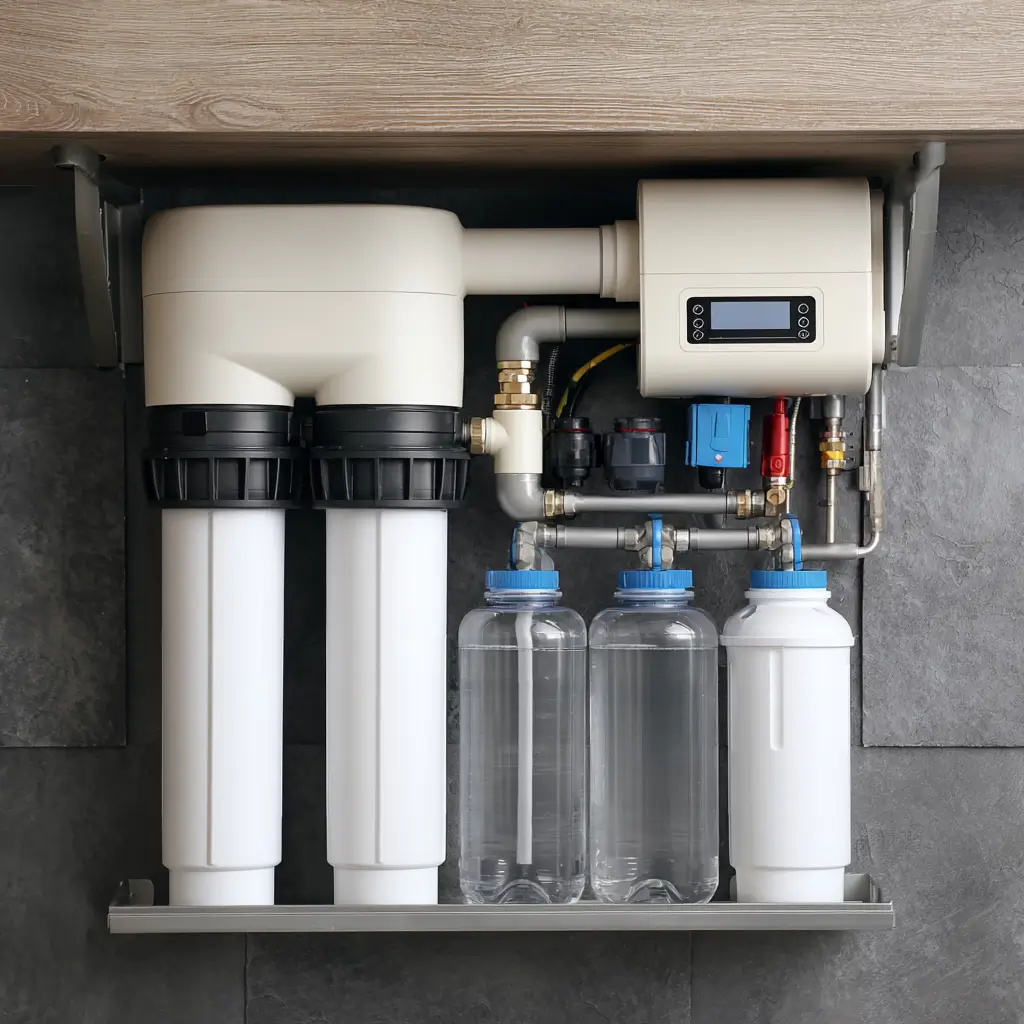
The powerful RO membrane is the star of the show, but it has a team of other filters helping it. Most under-sink systems have at least three stages, where each has a specific job.
- Sediment Filter: Your tap water’s journey begins here. This first stage acts as a screen, catching bigger particles like sand, dirt, and bits of rust from older municipal pipes. Its main job is to clear the path and protect the more delicate filters that come next.
- Carbon Filter(s): After the initial cleanup, water flows into one or more carbon filters. Carbon is like a magnet for chemicals, excelling at grabbing chlorine, which often gives tap water a “pool” smell and taste. This step dramatically improves flavour and odour before the main purification begins.
- Reverse Osmosis Membrane: With the larger debris and chlorine removed, the water finally meets the RO membrane. This pre-filtering allows it to work efficiently, focusing on removing the tiniest dissolved solids that other filters miss.
What Exactly Does Reverse Osmosis Remove from Canadian Tap Water?
The power of an RO system is its ability to target the tiniest impurities. This includes a wide range of dissolved substances that affect your water’s purity and taste. Key categories include:
- Heavy metals like lead and mercury, which can sometimes leach from older plumbing.
- Chlorine and chloramine, the chemicals used for disinfection that affect taste and smell.
- Total Dissolved Solids (TDS), including salts and other minerals like sodium and fluoride.
- Traces of common pesticides and herbicides that can enter the water supply.
While Canada’s municipal water is treated to high standards, some contaminants (like lead) can enter from old service lines long after it leaves the treatment plant. An RO system provides a crucial final checkpoint right at your tap. To ensure a filter is effective, look for systems certified to NSF/ANSI 58. This is the gold standard for reverse osmosis, meaning the product has been rigorously tested by an independent third party to prove it reduces the contaminants it claims to.
The “Healthy Minerals” Debate: Should You Be Concerned?
If reverse osmosis removes everything, is the water still healthy to drink? The simple answer is yes. While RO systems do remove minerals like calcium and magnesium, we get the vast majority of our essential minerals from food, not water. You would need to drink gallons of water to get the calcium in a single glass of milk. The primary goal of an RO system is ultimate purity—removing harmful contaminants.
This focus on purity is what separates an RO system from a water softener, which only targets “hard” minerals to prevent scale buildup but doesn’t remove a wide range of contaminants.
For those who enjoy the taste of mineral water, there is a perfect solution. Many homeowners add a remineralization filter for RO systems as a final stage. This optional cartridge adds a small, controlled amount of healthy minerals back into the purified water, enhancing the taste without compromising its purity.
Does an RO System Waste Water? The Surprising Truth
The term “wastewater” in an RO system is misleading; it’s actually a vital cleaning process. As water is pushed through the membrane, the rejected contaminants—salts, lead, and chlorine—are flushed away in a stream of water called brine. This self-cleaning feature prevents the membrane from clogging and ensures it produces pure water for years.
Modern technology has made these systems very efficient. While older models might have wasted four litres of water for every one litre purified (a 4:1 ratio), many high-efficiency units you’ll find for a reverse osmosis filter system in Canada now boast an improved 1:1 ratio.
For a typical family, the extra water used by an efficient RO system often adds up to just a few cents per day—less than a single bottle of water from the store. When you stop buying cases of bottled water, the system provides purer water and can also save you money.
Under-Sink, Countertop, or Whole-House: Finding the Right Fit for You
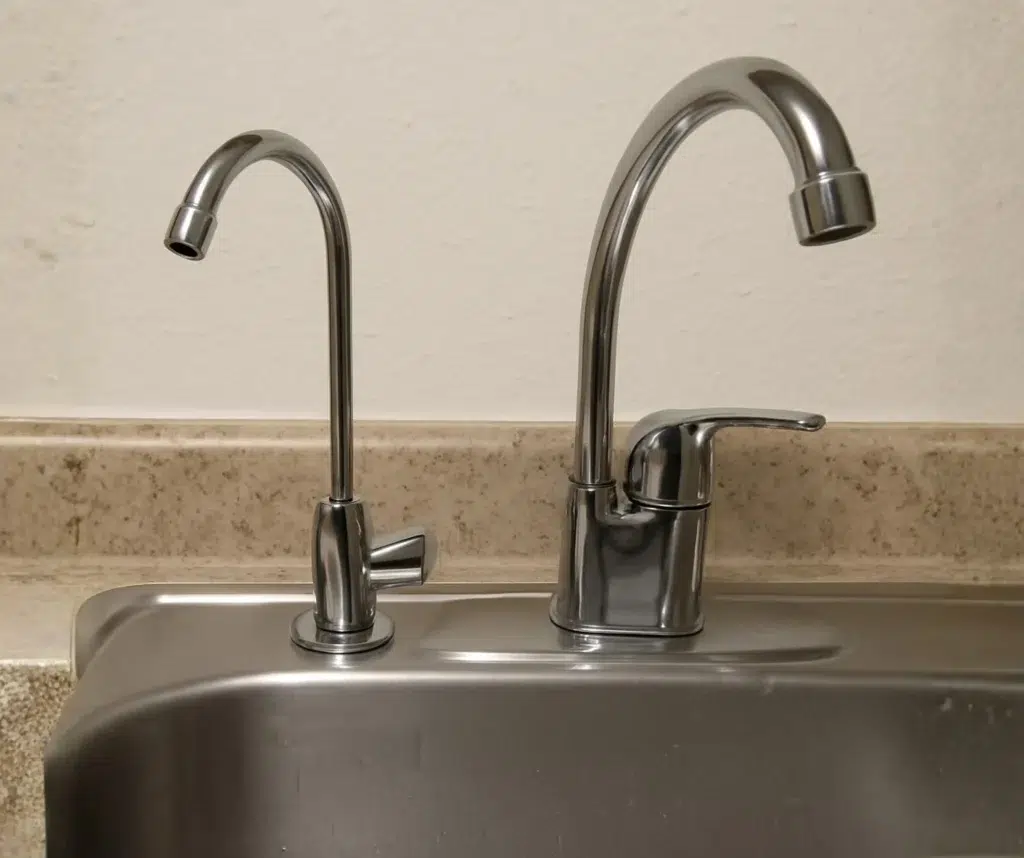
Choosing an RO system also means finding where it fits in your home. For most households, an under-sink system is the most popular and practical choice. Tucked away in a cabinet, it connects to your cold water line and delivers pure water through a small, dedicated faucet.
If you’re a renter or can’t make plumbing changes, a countertop system offers flexibility. These standalone units require no installation; you simply fill a reservoir with tap water, and the machine filters it. The trade-off is the counter space it occupies and the need to manually refill it.
At the high end, a whole-house reverse osmosis system treats every drop of water entering your home. However, the cost is significantly higher, and it requires professional installation. These are typically reserved for homes with specific, serious water quality issues, such as well water with very high contaminant levels.
Your Canadian Buyer’s Checklist: 3 Things to Look for Before You Buy
When you’re ready to buy a residential water filtration system, a few key details will guide you to a quality product.
- Look for NSF/ANSI 58 Certification: This isn’t just marketing jargon; it’s your proof that the system has been independently tested to remove a long list of contaminants, from lead to fluoride. It is the gold standard for performance.
- Buy from a Canadian Supplier: Ordering from a Canadian-based company means no surprise duty fees, faster and more affordable shipping, and pricing in Canadian dollars. The price you see is the price you pay.
- Check Filter Availability and Cost: An RO system requires new filters every 6 to 12 months. Before buying, confirm that replacement filters are readily available from Canadian suppliers at a reasonable price. This ensures your system remains a long-term investment.
An Investment in Purity and Convenience
Choosing a reverse osmosis system is more than an appliance purchase; it’s an upgrade to your daily life. It provides the peace of mind that comes from knowing your family’s drinking water is free from a wide range of contaminants. The improvement in taste is immediate, transforming everything from your morning coffee to your cooking.
By eliminating the need for bottled water, an RO system offers unmatched convenience and can lead to long-term savings. For Canadian homes seeking the highest standard of water purity directly from the tap, it remains one of the most effective and valuable solutions available.
Conclusion
A reverse osmosis system is a strategic investment for Canadian homeowners, delivering superior water purity and taste directly from the tap. It eliminates the need for bottled water, offering convenience and long-term savings. By selecting a certified system from a reputable Canadian supplier, you ensure effective contaminant removal and reliable local support. This upgrade provides peace of mind and enhances daily life with consistently clean, great-tasting water for drinking and cooking.
Frequently Asked Questions
What is the key performance standard for a residential RO system in Canada?
Look for NSF/ANSI 58 certification. It verifies the system has been independently tested to reduce specific health-related contaminants like lead and arsenic.
Do RO systems waste a lot of water?
Modern high-efficiency RO systems have greatly improved waste ratios. Many now operate at a 1:1 ratio, making the operational cost and water usage minimal for the purity achieved.
Why is buying from a Canadian supplier important for an RO system?
It avoids cross-border fees, ensures pricing in CAD, provides faster shipping, and guarantees easier access to certified replacement filters and local technical support.

