 Skip to content



Written by
Paul M.

A strange popping, rumbling, or hissing sound from the utility closet can be unsettling. It’s often your water heater’s way of communicating a problem—a specific message waiting to be translated. This guide will help you become a noise detective, connecting each sound to its most likely cause.
Fortunately, not every noise signals a catastrophe. Most stem from simple issues like mineral buildup, which are often early warnings, not signs of immediate failure. Understanding what you’re hearing is the first step toward finding a solution, knowing when to perform simple maintenance, and when to call a professional.
Summary
- Popping/Rumbling: Caused by sediment buildup at the tank’s bottom, which traps and superheats water. The solution is to flush the tank to remove the mineral deposits.
- Sizzling/Hissing: A soft sizzle may indicate a minor leak, while a loud hiss from the T&P valve signals dangerously high pressure requiring immediate professional attention.
- Knocking/Humming: Loud bangs are typically “water hammer” in the plumbing pipes, fixed with arrestors. A loud screech often indicates a failing, scaled heating element.
Sound #1: Popping or Rumbling
If your water heater sounds like a pot of water starting to boil or even a popcorn maker, you’re not alone. This is one of the most common—and unsettling—noises a water heater can make. That steady rumbling or sharp popping sound is a clear signal coming from the bottom of your tank, and it points to a specific, fixable issue.
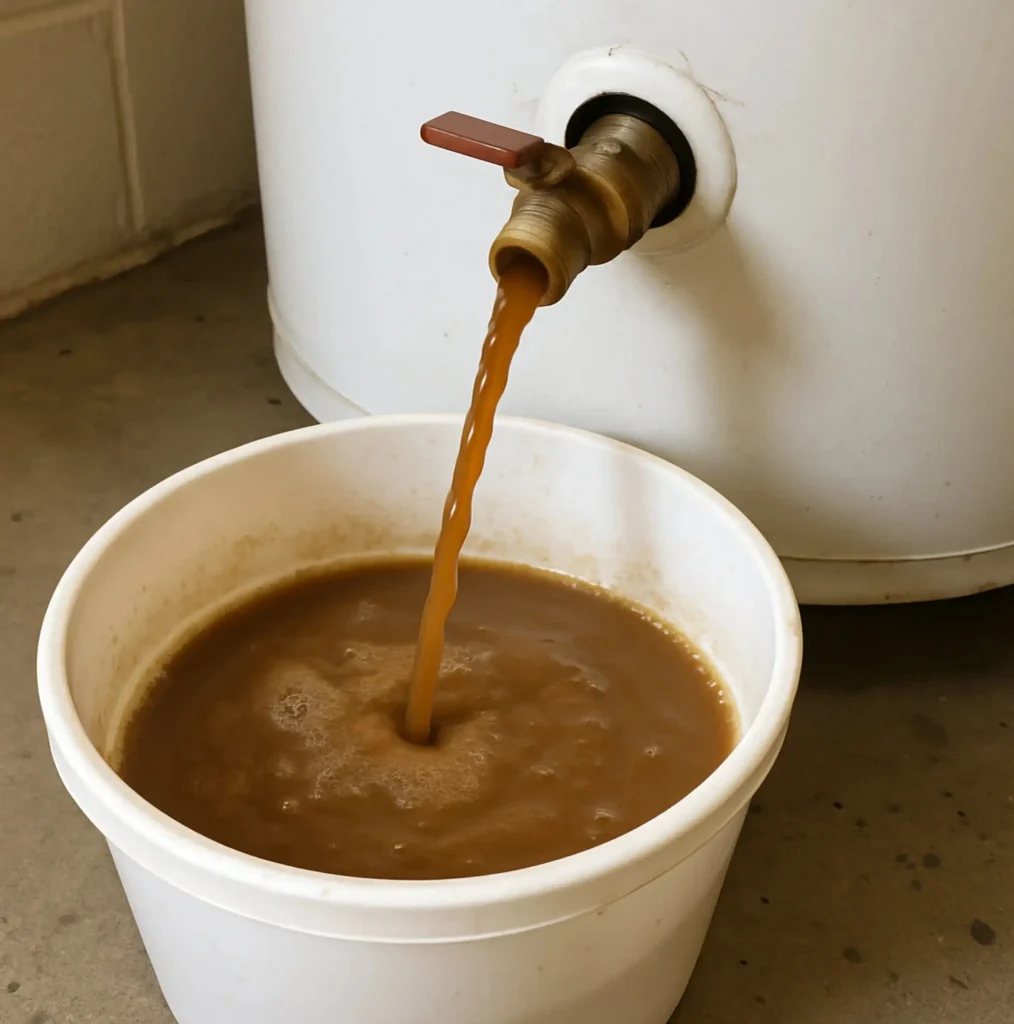
The culprit behind this noise is almost always sediment buildup. Over time, minerals naturally present in your water supply (like calcium and magnesium) settle at the bottom of the tank, forming a hard, crusty layer. When the heating element or gas burner at the bottom of the tank kicks on, water gets trapped underneath this layer. It superheats, turns to steam, and forcefully “pops” its way through the sediment.
While unsettling, the popping itself isn’t a sign of an imminent explosion. The real danger is to your wallet and the appliance’s lifespan. This sediment layer acts like insulation, forcing your water heater to work much harder and longer to heat the water above it. This wastes energy, drives up your utility bills, and puts extra strain on the heater’s components, which can lead to premature failure.
To fix the problem and quiet the noise, the tank needs to be flushed. This maintenance procedure involves draining the water heater to wash out all the accumulated mineral deposits. Flushing the sediment not only stops the rumbling sound but also restores your water heater’s efficiency and helps it last longer. While some homeowners do this themselves, a plumber can perform the service quickly and ensure it’s done correctly.
Sound #2: Sizzling or Hissing
A sizzling or hissing sound from your water heater can signal anything from a minor drip to a serious safety risk, and it’s critical to know the difference. The sound’s location and intensity are your biggest clues. A soft sizzle often points to a small leak, while a loud, forceful hiss is a clear sign of dangerously high pressure inside the tank.
If the sound is a gentle sizzle, similar to water hitting a hot frying pan, it likely means condensation or a small leak is dripping onto a hot part of the unit, such as the gas burner or electric heating element. While any leak needs to be addressed to prevent water damage and corrosion, this situation is not an immediate emergency. You should schedule a professional inspection to find and fix the source of the drip.
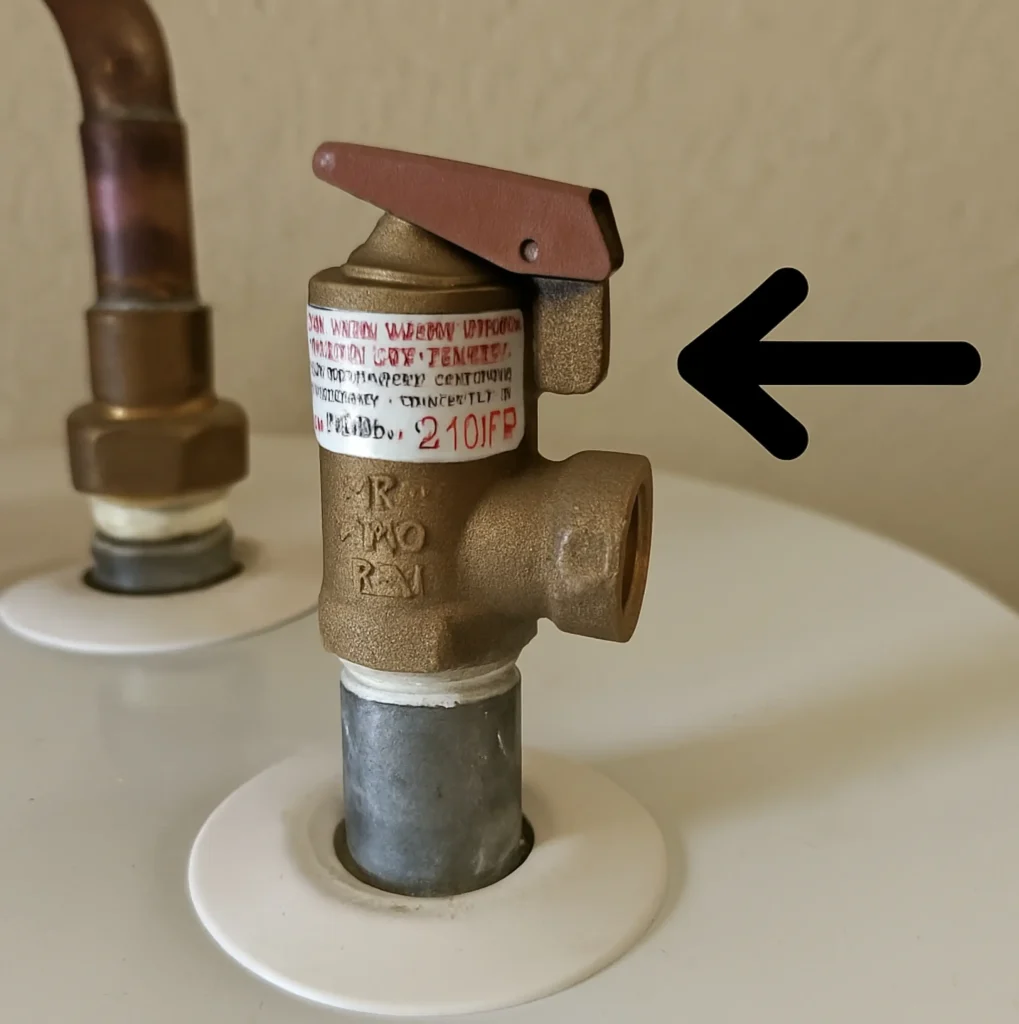
A loud, forceful hiss, however, is a much more urgent warning. This sound is often coming from a special valve on the top or side of your tank called the T&P (Temperature and Pressure) Relief Valve. This valve is your water heater’s emergency safety lever, designed to open and release steam if the temperature or pressure inside the tank gets dangerously high, preventing a potential rupture.
This is not a wait-and-see problem. If you hear a loud hissing and see water or steam jetting out of the T&P valve, it’s a clear sign of a serious issue that requires immediate action. You should shut off the power (or gas) to the unit and call a professional plumber right away.
Sound #3: Knocking or Banging
If you hear a single, loud bang or knock seconds after a faucet is turned off or an appliance like a washing machine stops filling, you’re likely dealing with a plumbing issue, not a water heater problem. This knocking noise, often more pronounced with fixtures that close abruptly, is a classic plumbing issue called “water hammer.”
Think of the water rushing through your pipes at high speed. When a valve suddenly slams shut, that moving water has nowhere to go and crashes to a halt, sending a shockwave rattling through the pipes. The bang you hear is that shockwave reverberating. While it’s unlikely to cause an immediate pipe burst, over time this repeated stress can weaken pipe joints and connections.
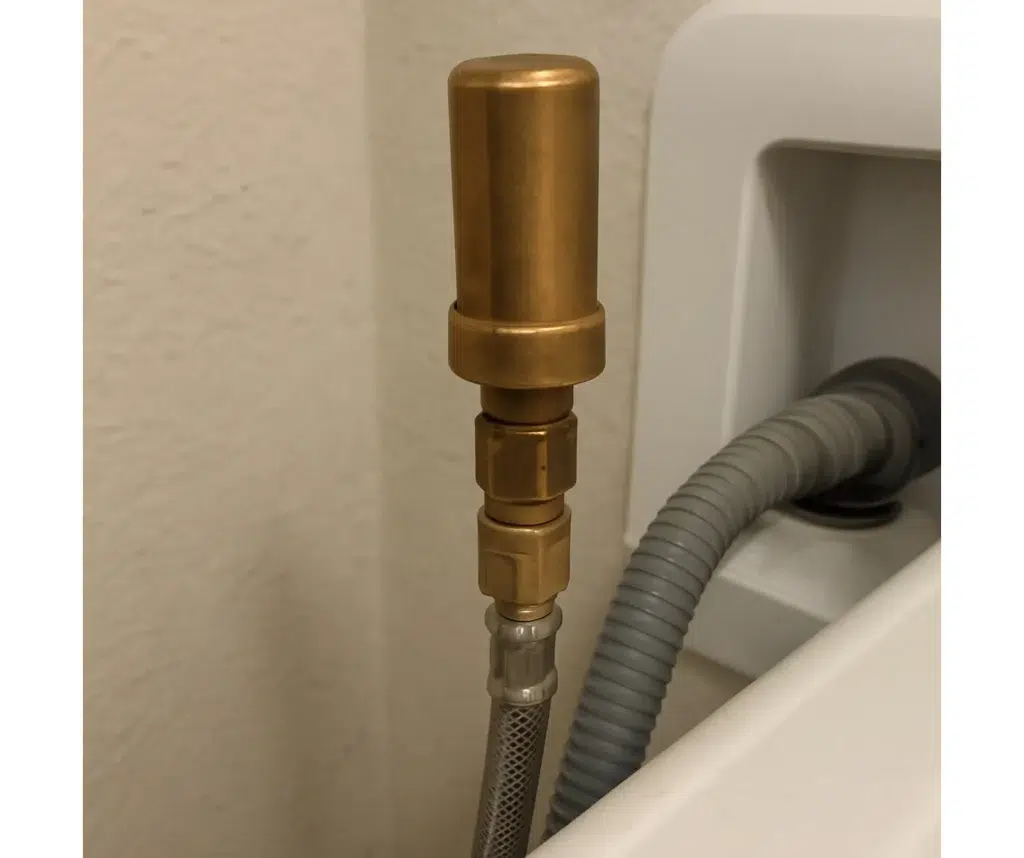
The good news is that water hammer has a straightforward fix. The solution typically involves installing small devices called water hammer arrestors. These act like shock absorbers for your plumbing, providing a cushion of air that absorbs the force of the water and silences the bang. A plumber can confirm the issue during an inspection and get these inexpensive devices installed.
Sound #4: Humming, Screeching, or Whining
A faint, steady hum is often a normal sound from an electric water heater. This is typically just the sound of the electric heating elements doing their job, much like the gentle buzz from a refrigerator. If the sound is low and has always been there, it’s usually nothing to worry about.
However, that gentle hum can turn into a loud, high-pitched screech or whine when a part starts to fail. For electric tank heaters, this sound often points directly to one of the heating elements inside the tank. When you hear a loud, piercing noise, it’s a sign that an element is struggling.
The culprit is often a thick coating of mineral buildup, known as scale, on the element itself. As the element vibrates and struggles to heat water through this crust, it creates a loud screech. This is a classic sign that the heating element is failing, as the component is working much harder than it should and will eventually burn out.
If you have a tankless unit, a high-pitched squeal points to the same root problem: scale. Instead of coating an element, the minerals are clogging the narrow water passages inside the heater, causing a whine as water is forced through. Whether it’s a screeching element or a clogged tankless unit, addressing the issue is key to restoring quiet and efficiency.
When to DIY vs. When to Call a Plumber
Once you’ve identified the noise, you must decide whether to fix it yourself or call a professional. Since water heaters involve electricity, natural gas, and high-pressure water, always prioritize safety over saving a few dollars. While a plumber is always the safest bet, some tasks are more approachable than others.
- Safe for DIY (If you are comfortable and careful):
- Visual Inspection: Looking for obvious drips or small puddles around the base of the unit.
- Flushing the Tank: If you suspect sediment is the cause of popping noises, flushing the tank is a manageable maintenance task for many homeowners. Just be sure to follow the manufacturer’s instructions precisely.
- Call a Pro Immediately For:
- Any smell of natural gas (“rotten eggs”).
- A hissing or leaking Temperature and Pressure (T&P) valve.
- Replacing electrical parts like heating elements or thermostats.
- Loud banging or hammering sounds that suggest a serious internal problem.
For these high-priority issues, the risk of causing a flood, a gas leak, or an electrical hazard is simply too high. While the cost to fix a loud hot water heater can vary, a professional diagnosis ensures the correct problem is fixed safely. Investing in a service call prevents a minor annoyance from becoming a dangerous and far more expensive emergency.
How to Prevent Water Heater Noises Before They Start
Proactive maintenance is the best way to prevent water heater noises before they start. By shifting from reacting to sounds to caring for your appliance, you can ensure it runs quietly and efficiently.
Scheduling an annual tank flush is the single best way to prevent popping sounds from sediment buildup. Many homeowners can learn how to flush the tank themselves, or a plumber can handle it. During this annual service, it’s also wise to have a professional check the anode rod every few years. This simple inspection prevents internal rust that can lead to more serious problems down the line.
Regular maintenance not only addresses current noises but also invests in your home’s longevity and your own peace of mind, one quiet year at a time.
Conclusion
Effectively troubleshooting water heater noises involves identifying the specific sound to diagnose the underlying issue. Common causes like sediment buildup or water hammer have straightforward fixes, such as tank flushing or installing arrestors. However, sounds indicating high pressure (hissing T&P valve), gas leaks, or electrical component failure demand immediate professional intervention for safety. Implementing preventative annual maintenance, including tank flushing and anode rod checks, is the most reliable strategy to prevent these noises, ensure efficient operation, and extend the overall lifespan of the appliance.
Frequently Asked Questions
1. What immediate action is required for a loud hissing noise from the T&P valve?
This indicates dangerously high internal pressure. Immediately shut off the power (or gas supply) to the unit and call for emergency plumbing service to prevent a potential tank rupture.
2. Is flushing the tank a suitable DIY fix for rumbling noises?
Yes, if you are comfortable following manufacturer instructions. Flushing removes sediment causing the noise. However, for gas units or if unsure, hiring a professional ensures it’s done safely and completely.
3. What does a high-pitched screech from an electric water heater typically mean?
This usually indicates a failing heating element heavily scaled with mineral deposits. The element vibrates under strain and will eventually burn out, requiring professional replacement to restore function and quiet.

