 Skip to content



Written by
Paul M.

Integrating HVAC systems into modern home interiors can be a creative challenge. Homeowners and designers often struggle to balance functionality with aesthetics. Yet, with thoughtful design, HVAC systems can enhance a room’s look.
Gone are the days of bulky units disrupting your decor. Today, innovative solutions allow seamless integration of HVAC systems. This not only maintains the beauty of your home but also improves comfort and efficiency.
From concealed ductwork to smart thermostats, the possibilities are endless. You can even use custom cabinetry or creative ceiling designs to hide units.
This guide will explore creative ways to incorporate HVAC systems into your home. Discover how to achieve a harmonious blend of style and function.
Summary
- Aesthetic Integration: Modern interior design demands seamless HVAC integration using custom cabinetry, matching vents, and decorative elements to conceal systems without hindering function.
- Strategic Design: Effective integration requires tailoring solutions to specific rooms and layouts, considering airflow, unit placement, and smart technology like thermostats for efficiency.
- Holistic Benefit: Thoughtful HVAC design enhances home comfort, air quality, and energy efficiency while maintaining aesthetic cohesion and increasing property value.
The Importance of Seamless HVAC Integration in Home Interior Design
Seamless HVAC integration is critical for modern home interiors. It enhances both the functionality and aesthetics of your living spaces. A well-integrated system is practically invisible, allowing other design elements to shine.
Aesthetics are as important as functionality. A home that looks beautiful but is uncomfortable won’t feel luxurious. Proper HVAC design ensures a comfortable environment without compromising style.
Consider the broader impact of your HVAC integration on home design. The placement of units can dictate room layouts and furniture arrangement. Thoughtful design can turn HVAC necessities into artistic features.
Benefits of seamless HVAC integration include:
- Improved energy efficiency
- A cohesive design flow
- Enhanced comfort levels
- Increased property value
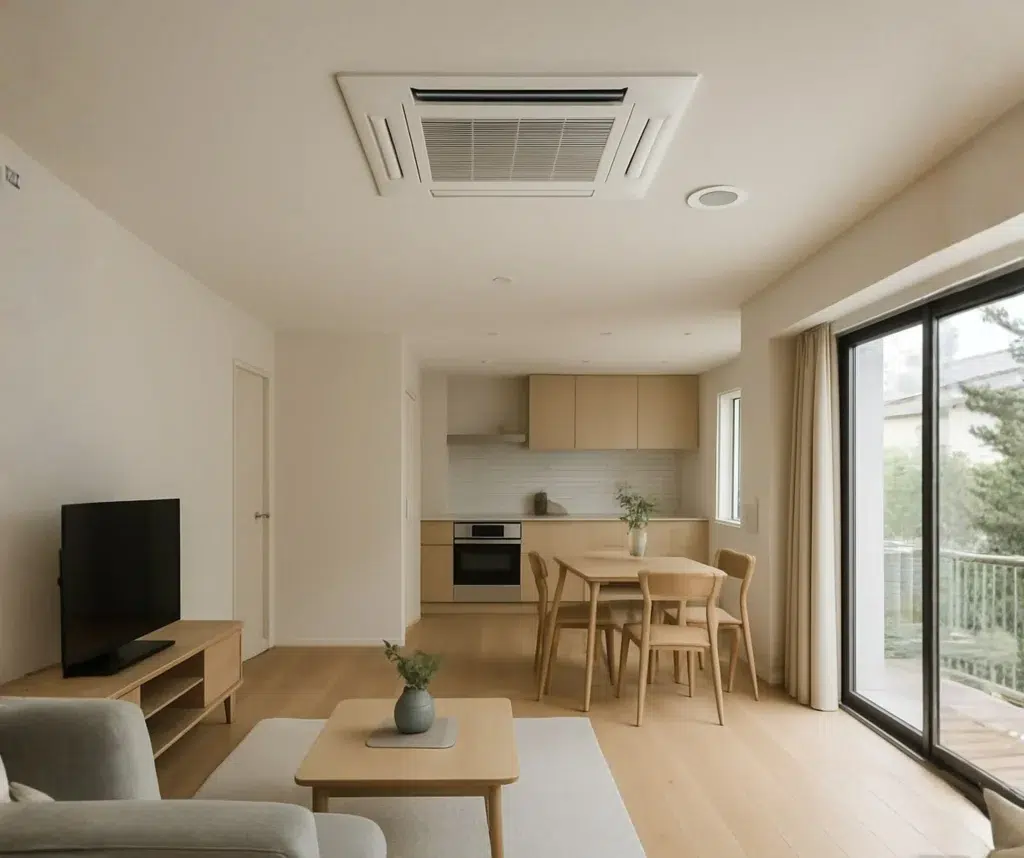
Moreover, seamless integration supports energy efficiency. This aligns with sustainable living goals. Proper placement improves airflow, reducing energy bills and environmental impact. A modern home requires a holistic approach, where form meets function effortlessly.
Smart HVAC Room Design: Blending Functionality and Aesthetics
Blending HVAC systems into your home seamlessly is a growing design trend. It combines high functionality with stunning aesthetics. Modern home interiors demand both comfort and style.
The strategic placement of HVAC elements ensures an efficient flow. This results in optimized climate control throughout the home. Position your units thoughtfully to maximize comfort without compromising on design.
Incorporate HVAC units creatively. Consider custom enclosures or built-ins. These can hide the units while enhancing the room’s design. It’s important to maintain airflow and accessibility.
Key design tips for smart HVAC integration:
- Use custom cabinetry
- Implement creative ceiling designs
- Match colors and materials
- Conceal with decorative panels
Technology plays a crucial role. Smart thermostats and zoned systems add efficiency and flexibility. They offer control over the climate while integrating with your smart home setup.
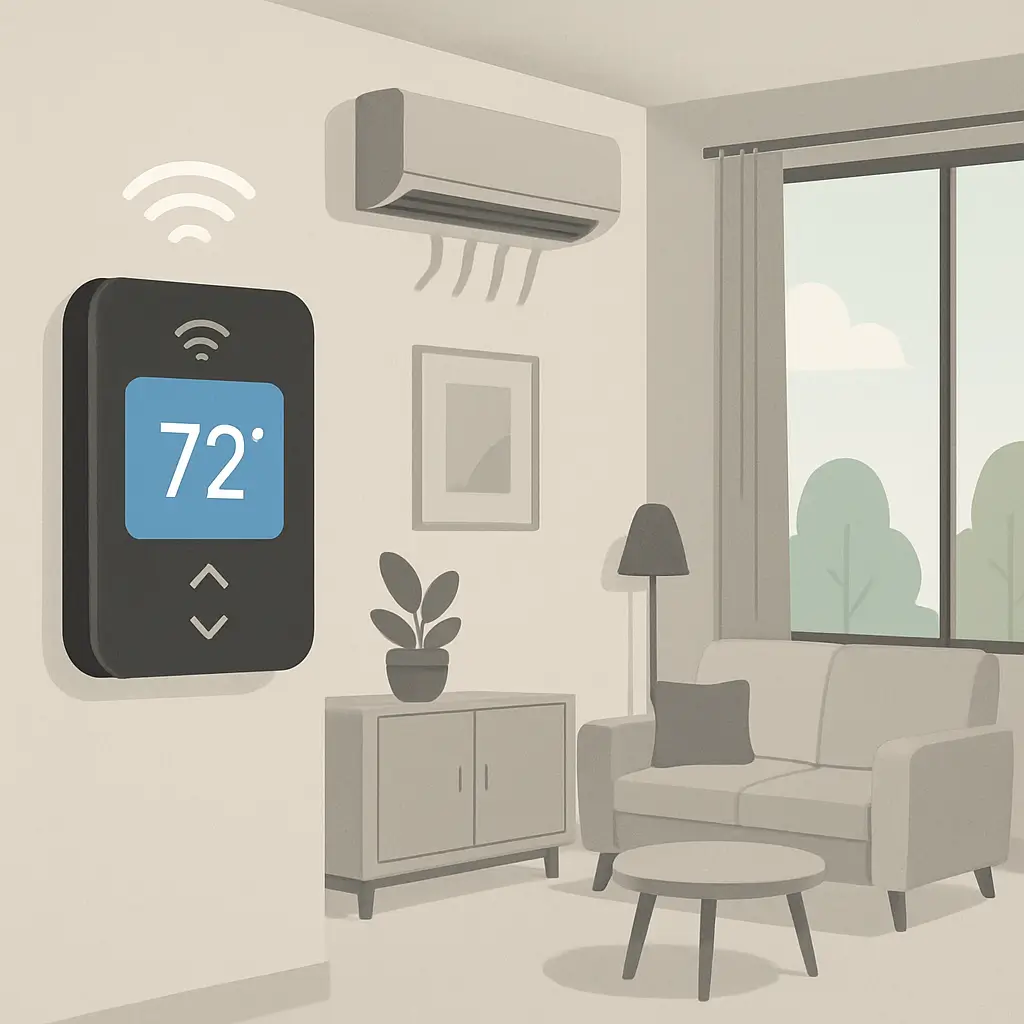
Explore various textures and colors. Ensure they complement your HVAC units. Create a cohesive, modern look that’s both functional and visually pleasing. Merging technology with smart design can transform your home into a comfortable and stylish haven.
Concealing HVAC Systems: Creative Solutions for Modern Spaces
Modern interiors need innovative ways to hide HVAC systems. It’s crucial to do so without hindering their function. Here, creativity meets practicality.
Custom cabinetry provides a seamless way to conceal HVAC units. You can integrate them within your existing storage. It offers a clean, unified appearance while maintaining accessibility.
Flooring also offers opportunities for concealment. Choose floor vents that match your flooring material. They blend in seamlessly, becoming almost invisible to the eye.
Ceiling-mounted units can be hidden with artistic ceiling designs. Use false beams or architectural features to camouflage systems. Not only do they mask the units, but they also add design flair.
For a refined touch, decorative panels and artwork can disguise wall-mounted HVAC units. These solutions are stylish and ensure units remain serviceable.
Here are a few innovative ways to conceal HVAC systems:
- Utilize custom cabinetry
- Design creative ceiling features
- Opt for matching floor vents
- Use decorative panels and artwork
- Incorporate HVAC into furniture
Plants and greenery add a natural cover that enhances interior aesthetics. They help hide HVAC units while also improving air quality. The result is a harmonious blend of nature and modern technology.
Customizing Vents, Ducts, and Units to Match Your Home Interior
Incorporating vents and ducts seamlessly into a home’s interior is an art. They should blend in with the decor without drawing attention.
Customizing vent covers is a simple yet effective solution. Choose materials and designs that echo your room’s style. This results in a cohesive and polished look, enhancing overall aesthetics.
Ducts need not be eyesores. With creativity, they can become an architectural feature. Try painting ducts in a color that complements the room’s palette. Alternatively, stylish enclosures can make them a design highlight.
HVAC units can match room decor by using coordinated color schemes. Select hues that align with walls or furniture pieces. This subtle touch merges technology with design seamlessly.
Consider these customization options:
- Stylish vent covers
- Decorative duct enclosures
- Coordinated color palettes
- Creative paint choices
Finding ways to harmonize HVAC with interior design opens doors to creativity. The result is a space where functionality does not detract from beauty.
HVAC Design Tips for Different Rooms and Layouts
Each room in a home serves a unique purpose, and HVAC design should accommodate these differences. Spaces with varying sizes and functions require tailored approaches to heating, ventilation, and cooling.
Living rooms, often large and open, benefit from strategic unit placement. Ceiling-mounted systems can provide consistent airflow without overshadowing the space’s aesthetics. Open floor plans can utilize integrated ceiling designs to hide systems efficiently.
Bedrooms demand quiet and subtle HVAC solutions. Wall-mounted units can be disguised with decorative elements like panels or artworks. This maintains a tranquil ambiance conducive to restful sleep.
In kitchens and bathrooms, ventilation is crucial. Consider small, efficient exhaust systems that complement the rooms’ design while addressing humidity control.
Basements and attics often present design challenges. They require units that optimize space and manage temperature fluctuations. Concealed ductwork can help preserve the rooms’ visual appeal.
Key considerations for diverse spaces include:
- Strategic ceiling-mounted units
- Decorative elements for wall-mounted systems
- Efficient exhaust solutions
- Concealed ductwork for space optimization
A thoughtful approach to HVAC design ensures each room meets comfort needs without compromising style.
Integrating Smart Technology and Energy Efficiency
Modern homes thrive on the integration of smart technology to enhance energy efficiency and comfort. Connecting HVAC systems to smart home networks allows seamless control, maximizing both convenience and savings.
Smart thermostats are a game-changer. They learn users’ habits and adjust temperatures accordingly, ensuring energy isn’t wasted. This reduces utility bills and maintains comfort levels.
Beyond thermostats, advanced sensors can monitor air quality and regulate ventilation. This creates a healthier indoor environment. Additionally, remote access through apps provides users real-time control, offering the flexibility to adjust settings from anywhere.
Integrating technology into HVAC systems involves:
- Installing smart thermostats for adaptive control
- Using sensors for air quality and ventilation
- Utilizing apps for remote access and control
These innovations not only streamline HVAC operation but also contribute to a home’s energy management strategy. By embracing technology, homeowners achieve an efficient and sustainable living environment.
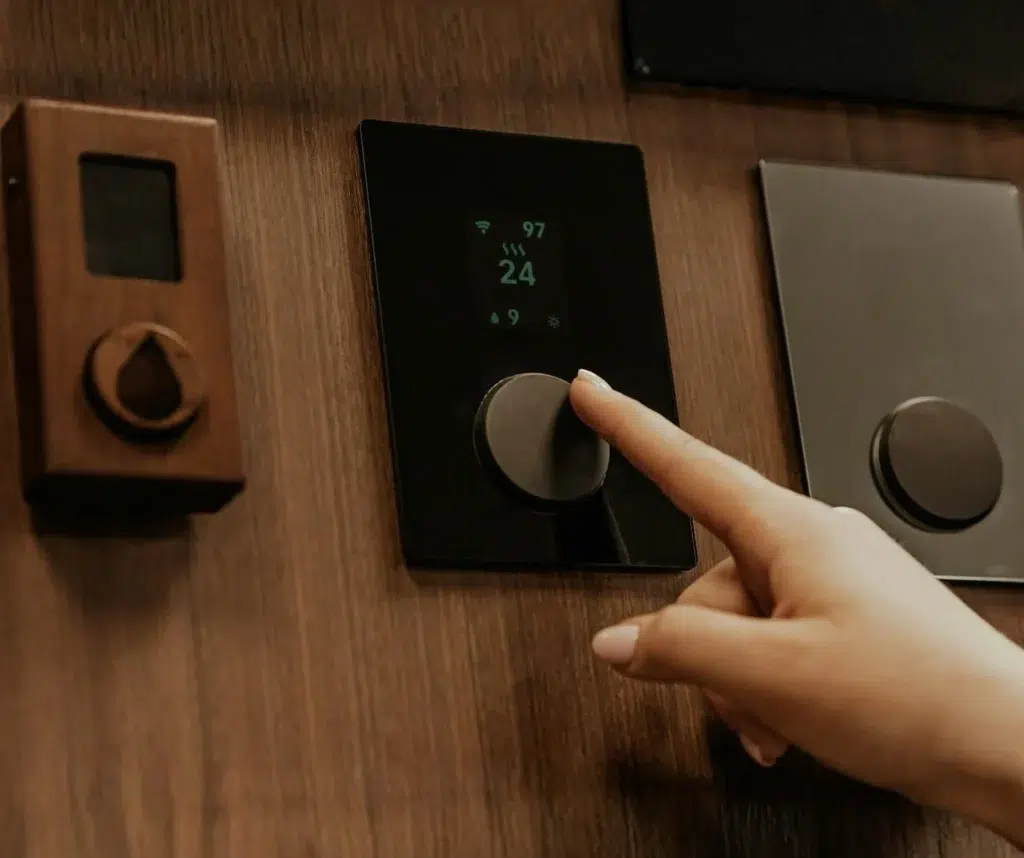
Enhancing Comfort and Wellness Through Thoughtful HVAC Design
Thoughtful HVAC design plays a crucial role in enhancing comfort and wellness within a home. A well-planned system can provide consistent temperature control and improved air quality.
Proper placement of HVAC units is vital. Ensuring even airflow throughout the room prevents hot or cold spots. This promotes a comfortable, balanced atmosphere.
Incorporating air purifiers with HVAC systems filters pollutants and allergens. This results in cleaner air and contributes to a healthier living environment. Improved air quality supports overall wellness by reducing respiratory issues.
To optimize HVAC design for comfort and wellness:
- Position units for balanced airflow
- Integrate air purifiers for better air quality
- Use humidifiers or dehumidifiers to maintain optimal humidity levels
These strategies ensure that the home remains a sanctuary of comfort and health. Thoughtful HVAC integration supports well-being and creates an inviting living space.
by Annie Spratt (https://unsplash.com/@anniespratt)
Maintenance, Upgrades, and Future-Proofing Your HVAC Room Design
Regular maintenance of your HVAC system extends its lifespan and ensures efficiency. Routine checks help identify issues before they escalate. Consistent servicing can prevent costly repairs and improve performance.
Consider upgrades that enhance functionality and energy efficiency. Installing smart thermostats offers better control over temperatures. These advancements can significantly reduce energy consumption and save on utility bills.
Future-proofing your HVAC room design ensures adaptability to changing needs and technologies. Plan for potential home expansions or renovation projects. Design flexibility allows seamless integration of new features.
To keep your HVAC system in top shape:
- Schedule regular maintenance checks
- Invest in energy-efficient upgrades
- Design with future expansions in mind
Proactive planning and maintenance ensure your HVAC system remains efficient and adaptable, providing comfort for years to come.
Conclusion: Achieving Harmony Between HVAC and Home Interior
Bringing harmony between HVAC systems and home interiors requires creative thinking and strategic design choices. Proper integration can enhance both aesthetics and functionality, enriching the living space.
Consider each room’s unique demands while planning HVAC systems. This approach ensures efficient heating and cooling without compromising the interior’s elegance. Balancing technology with design elements strengthens overall home appeal.
A thoughtfully designed HVAC system complements your lifestyle and adds comfort to your home. By incorporating modern technology and design strategies, you can achieve an impressive blend of utility and style. This results in a space that is both inviting and energy-efficient, reflecting a harmonious living environment.
Frequently Asked Questions
What is the most effective method for concealing ceiling-mounted HVAC units?
Utilize architectural features like false beams, coffered ceilings, or integrated bulkheads. These designs camouflage the unit while maintaining proper airflow and service access for maintenance.
How can HVAC systems be integrated into a smart home for better efficiency?
Install smart thermostats and zoned controls that connect to a home network. These learn habits, allow remote access via apps, and optimize runtime to reduce energy consumption.
Why is customizing vent covers important in high-end interior design?
Standard vents disrupt visual flow. Custom covers in matching finishes or materials allow HVAC components to blend seamlessly with the room’s decor, maintaining a cohesive aesthetic.

