 Skip to content



Written by
Paul M.

As you get ready for cold weather by covering outdoor faucets and draining hoses, it’s easy to forget about the hardworking appliance inside that’s just as vulnerable. Your water softener, especially if it lives in a chilly garage or unheated basement, faces a serious threat from plunging temperatures. According to home service professionals, a frozen unit isn’t just an inconvenience—it often leads to a cracked tank, significant water damage, and a surprisingly expensive repair.
The danger comes from a simple, powerful force of nature. Think about what happens when you accidentally leave a can of soda in the freezer: the expanding ice easily splits the metal can wide open. The exact same physics are at play inside your softener. In practice, that expanding ice has more than enough force to rupture the main tank and shatter sensitive internal components, causing a catastrophic failure.
So, can a water softener freeze? Absolutely. But the good news is that a few minutes of prevention can save you from that messy and costly scenario. Keep your system safe by performing a few simple checks to ensure you continue to enjoy your water softener benefits all through the cold months of winter.
Summary
- Assess Location: Determine if your softener is in a heated space (low risk) or an unheated area like a garage (high risk for freezing at 32°F/0°C or below).
- Prevent Freezing: For at-risk units in use, install a thermal insulation jacket or use temporary wraps like blankets to trap ambient heat and protect from cold snaps.
- Prepare for Absence: If leaving the home unheated, bypass the system, drain all tanks completely, and remove salt to prevent ice damage and salt bridges.
Is Your Softener at Risk? A 30-Second Cold Weather Check
Not every water softener is in the line of fire when temperatures drop. Before you worry, the first step is to know your unit’s specific risk, which for most homeowners comes down to one simple factor: location.
- Generally Safe: Your softener is in a consistently heated part of your home, like a utility room or finished basement.
- Action Needed: Your softener is in an area that gets cold, such as an unheated garage, a drafty crawlspace, a three-season porch, or a vacation cabin.
Any space that might dip to 32°F (0°C) or below puts your unit in the danger zone. If your softener is in one of those colder spots, don’t worry. Protecting it often starts with a simple first step, and your best line of defense is proper insulation.
The First Line of Defense: How to Insulate Your Water Softener
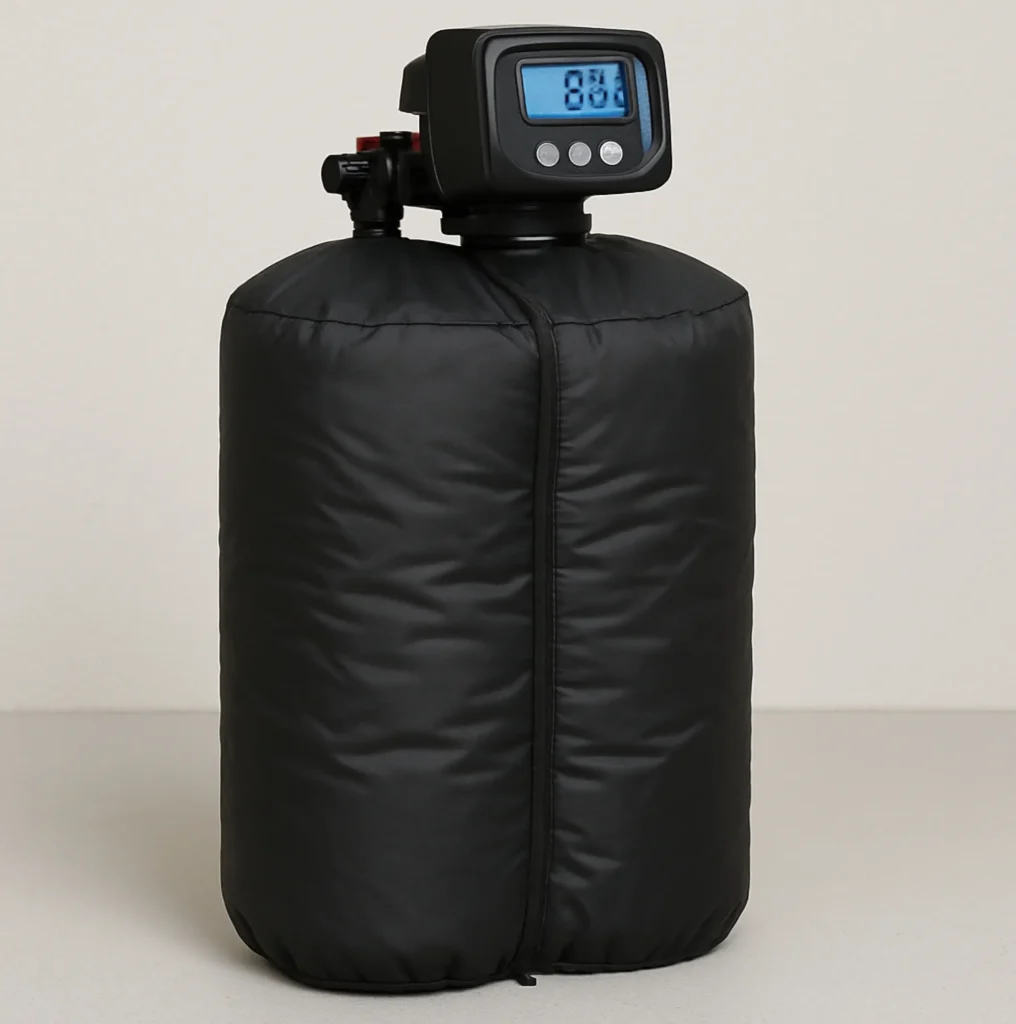
Just like a winter coat protects you from a sudden chill, a simple layer of insulation can protect your water softener from a light freeze. Think of it as trapping the slight ambient warmth from your home or the ground, slowing down heat loss just enough to keep the water inside from turning to ice during a cold snap. This simple step is often all that’s needed for preventing frozen water softener pipes in a garage that occasionally dips below freezing.
For a tidy and effective solution, you can purchase a pre-made water softener insulation jacket. These are designed to fit snugly around both the main resin tank and the salt (brine) tank. When shopping for one, look for a jacket that offers a secure fit without blocking the control panel or kinking any of the connected lines. It’s an inexpensive investment that provides reliable protection season after season.
If a cold front is moving in tonight and you need immediate protection, don’t wait for a delivery. You can create a temporary fix using items you already have. Grab an old, thick blanket or a spare sleeping bag and wrap it securely around the tanks. Use bungee cords or duct tape to hold it in place, ensuring you cover as much surface area as possible. While insulating the tanks is critical, the cold can also cause problems inside your brine tank, creating a new kind of headache.
Preventing a “Salt Bridge”: A Common Cold-Weather Problem
Cold, damp air, common in garages or basements, can cause the salt pellets in your brine tank to clump together and form a hard, solid crust over the water at the bottom. This crust, or “salt bridge,” prevents the softener from making the salty water—the brine solution—it needs to clean itself. Without this brine, your softener stops softening your water, even though it’s still running.
You can spot a salt bridge easily. Take a look inside your salt tank; if the salt level hasn’t dropped after several weeks, you likely have a bridge. It might look like the tank is full of salt, but underneath that crust is an empty space where water should be. You’ll eventually notice your water feels “hard” again because the softener isn’t able to regenerate properly.
Breaking up a salt bridge is simple and requires no special tools. Just take a broom handle or a similar blunt object and gently tap on the top of the crust. Push down firmly in a few spots until the bridge collapses. You’ll hear it break apart and fall into the water below. This simple check is key for keeping your softener running smoothly, but if you’re leaving for the entire winter, you’ll need a more thorough plan.
Leaving for the Winter? The Complete Snowbird’s Shutdown Guide
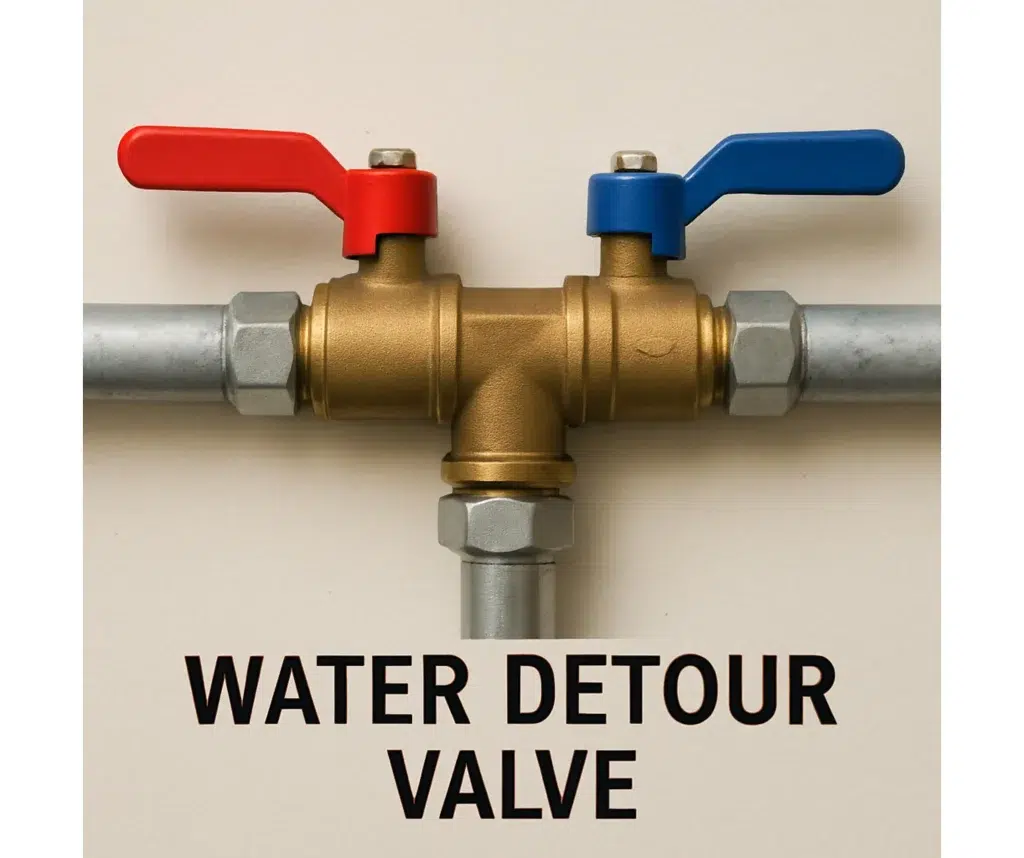
If you’re a “snowbird” leaving a home unheated for the season, you need to completely drain your softener to prevent a frozen, cracked tank and major water damage. The first and most critical step is to find the bypass valve on the plumbing behind your unit. This valve, often with one or two red or blue handles, acts like a detour for your water. Activating it sends water around the softener instead of through it, allowing you to safely drain the system without shutting off water to the rest of the house.
With the water safely detoured, you can follow this simple shutdown checklist. This process removes all water from the softener, making it impossible for ice to form and cause damage.
- Bypass the System: Push or turn the handle(s) on your bypass valve to the “bypass” position. Water will now skip the softener.
- Unplug the Power: Unplug the softener’s power cord from the wall outlet to turn off the electronics.
- Drain the Tanks: Carefully disconnect the small hoses attached to the main valve. Let them drain into a bucket or floor drain until they run dry.
- Empty the Salt Tank: Scoop out all remaining salt. Use a wet/dry vac or a sponge to remove any water at the bottom.
What to Do If Your Water Softener Is Already Frozen
Sometimes, despite our best efforts, the cold wins. If you suspect your water softener has frozen—maybe you have no water flow or you see frost on the tank—there’s one critical first step. Immediately put the system in bypass mode. This stops more water from entering the softener, relieving pressure that could otherwise burst the tank or pipes and cause a basement flood.
With the softener safely bypassed, you can begin to gently thaw the frozen areas. Think slow and steady warmth. A hairdryer on a low setting, kept moving back and forth over the valve and connecting pipes, is a great way to thaw a frozen water softener. You can also place a small space heater a safe distance away to warm the surrounding air. Be patient, as this can take several hours.
Under no circumstances should you use a blowtorch or any open flame on frozen water softener pipes. The extreme heat can melt plastic parts and may even cause the tank to rupture, creating a serious safety risk. If the tank is already cracked or you’re unsure what to do, leave the system bypassed and call a professional. Of course, preventing a freeze in the first place is always the best strategy.
Your 5-Minute Winter Prep Checklist for Peace of Mind
Winter’s chill no longer has to be a source of anxiety for your home’s plumbing. You now have the essential knowledge to protect your water softener and prevent cracked tanks, water damage, and expensive repairs. A few minutes of prevention is all that stands between you and a major headache.
Follow this three-step checklist to winterize a water softener:
- Check Its Location: Is your softener in a heated room or a cold garage? Your answer immediately tells you your risk level.
- Insulate for Daily Use: If your unit is in a chilly space but will remain in use, wrap the tanks with an insulation blanket—an easy first line of defense.
- Plan for Long Absences: If you’re leaving for the season, use the bypass valve to stop water from entering the unit and drain the tanks completely.
This small investment of time is your best insurance against a flooded basement and a thousand-dollar bill. If you feel unsure about any step, especially draining the system, calling a qualified plumber is always the smartest and safest move.
Conclusion
Protecting your water softener from winter damage is a manageable process centered on location and proactive measures. For units in cold spaces, proper insulation is the essential first defense. If the home will be unoccupied, a complete shutdown—bypassing, draining, and removing salt—is necessary to prevent catastrophic freezing and cracking. These preventative steps safeguard against costly repairs and water damage. When in doubt, especially for complex shutdowns or thawing a frozen unit, consulting a professional plumber ensures the system’s safety and longevity through the winter season.
Frequently Asked Questions
1. What is the proper method to shut down a softener in a winterized vacation home?
Activate the bypass valve, unplug the unit, drain all water from the tanks and lines, and completely empty the brine tank of salt and residual water to prevent freezing.
2. How should a technician safely thaw a suspected frozen water softener?
Bypass the system immediately. Apply gentle, indirect heat using a hairdryer on low or a space heater. Never use an open flame or torch due to the risk of rupturing the tank.
3. What causes a salt bridge and how does it affect softener operation?
Cold, damp air causes salt to clump, forming a crust that prevents brine solution formation. This halts proper regeneration, leaving water hard despite the unit cycling. Break the bridge with a blunt object.

