


Written by
Paul M.

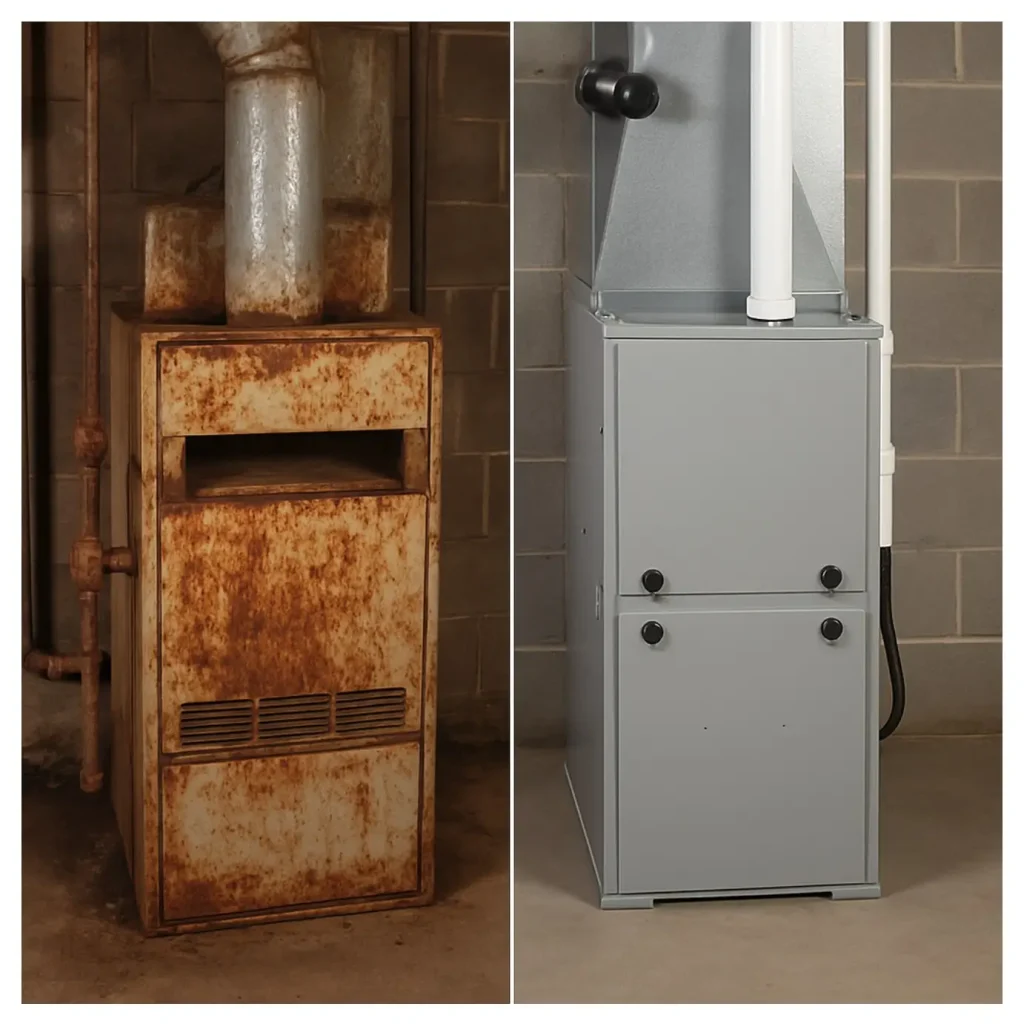
Every time that old furnace in the basement kicks on with an unsettling CLANK, do you hold your breath? An aging heating system isn’t just a breakdown waiting to happen on the coldest night of the year; it’s also a quiet drain on your bank account. Even if it keeps chugging along, that old unit is likely costing you a small fortune in wasted energy month after month.
Exploring the benefits of upgrading home heating goes far beyond just avoiding a winter emergency. A modern, high-efficiency unit can significantly reduce home heating costs; in fact, the Department of Energy estimates that switching to an ENERGY STAR certified system can save homeowners more than $100 annually. The rewards aren’t just financial, either. Imagine consistent warmth in every room—no more cold spots—and the simple peace of mind that comes with reliable, quiet operation.
Thinking about a new home heating system can feel overwhelming, but you don’t need an engineering degree to make a smart choice. This guide covers the simple signs that your current system is outdated, the key differences between modern options, and how to pick the right one for your home and budget to ensure your next furnace purrs instead of clanks.
Summary
- Cost Savings: Replacing an old, inefficient furnace with a high-efficiency model (like an ENERGY STAR system) can save homeowners over $100 annually on energy bills.
- Improved Comfort: A new heating system provides consistent, even warmth throughout the home, eliminating cold spots and operating much more quietly.
- Reliability & Peace of Mind: Upgrading avoids the risk of a costly mid-winter breakdown, replacing an aging, unreliable unit with dependable, modern technology.
3 Telltale Signs Your Current Heating System Needs Replacing
Waiting for your furnace to break down on the coldest night of the year is a costly gamble. Fortunately, your heating system usually gives you clear warnings before it fails completely. If you spot any of these three telltale signs you need a new furnace, it’s time to start planning for a replacement before you’re left in the cold.
First, consider its age and your energy bills. Most standard furnaces have a lifespan of about 15-20 years. If yours is in that range and your heating bills are climbing year after year—even when your thermostat habits haven’t changed—it’s a clear sign your system is losing efficiency and working harder to do the same job.
Next, listen for unusual sounds. A furnace making noise beyond the gentle hum of air is often crying for help. Pay close attention to these red-flag sounds, which can signal serious mechanical problems:
- Grinding or Scraping: Can indicate a major issue with the motor’s ball bearings.
- Loud Squealing: Often points to a problem with a belt or the blower motor.
- Frequent Clicking: May signal that the flame sensor or ignition system is failing.
If these warning signs feel familiar, planning ahead can help you avoid an expensive emergency furnace replacement cost. Replacing an old, inefficient system isn’t just about reliability; it’s a critical step toward lower bills, which begins with understanding how a new furnace’s efficiency is measured.
Decoding Efficiency: What an AFUE Rating Means for Your Wallet
When you shop for a car, you look at its MPG rating to understand fuel efficiency. For a furnace, the magic number is its AFUE rating—Annual Fuel Utilization Efficiency. Think of it as the “Miles Per Gallon” for your heating system. This government-mandated rating is the most straightforward way to see exactly how much of your fuel becomes heat for your home and how much is simply wasted.
So, what does that percentage actually mean for your wallet? An older, struggling furnace might have an 80% AFUE rating. This means for every dollar you spend on fuel, 80 cents works to heat your house, while the other 20 cents is lost right up the chimney. By contrast, a key high-efficiency furnace benefit is a rating of 95% or higher. With a 95% AFUE model, you’re only losing 5 cents for every dollar spent.
Upgrading from that 80% model to a 95% one can cut your heating waste dramatically, potentially saving you hundreds of dollars every single winter. While this powerful efficiency is a key reason many stick with a furnace, it isn’t your only energy-efficient heating option.
The Main Players: When to Choose a Furnace vs. a Heat Pump
When choosing a home heating system, your two primary options are a furnace and a heat pump, and they work very differently. A traditional furnace creates powerful heat by burning fuel. A heat pump, on the other hand, doesn’t make heat; it simply moves existing warmth from the outside air into your home.
A furnace’s ability to generate intense heat is its biggest strength. For homeowners in regions with long, bitter winters where temperatures regularly plummet below freezing, this raw power is essential. It provides consistent, powerful warmth that can handle even the most extreme cold, making it the classic choice for northern climates.
The heat pump’s magic, in contrast, is its remarkable efficiency. Since it only moves heat instead of creating it, it uses far less energy. The best part? This process is reversible. A heat pump is a dual-function system that also acts as your air conditioner in the summer, giving you a single unit for year-round comfort.
So which is right for you? A good rule of thumb is to look at your climate. If your winters are consistently below freezing, a furnace’s power is a safe bet. If you live where winters are milder, a heat pump is a fantastic gas furnace alternative that can dramatically lower your energy bills. Of course, choosing the right system leads to the question on every homeowner’s mind: what will it cost?
The Big Question: How Much Will a New Heating System Actually Cost?
While prices vary by region, a typical furnace replacement cost falls between $3,500 and $7,500. A new heat pump system generally runs from $4,500 to over $10,000, because it also serves as your air conditioner.
What accounts for that range? The price of a new system is shaped by three main factors. The first is its efficiency rating—a high-efficiency furnace with a 95% AFUE rating costs more upfront than a standard 80% model, but the high-efficiency furnace benefits you with lower monthly bills. The second is size, measured in BTUs. Think of BTUs like engine power; a larger home simply needs a more powerful (and more expensive) unit to stay warm.
Perhaps the most important factor, however, is the complexity of installing a central heating unit. A professional quote covers much more than just the equipment itself, which is why the cheapest offer can sometimes be a red flag.
- What’s Included in the Price?
- The unit itself (furnace or heat pump)
- Labor for installation and testing
- Removal and disposal of your old unit
- Potential ductwork, venting, or electrical updates
Because the quality of the installation determines how well your new system performs for the next 15 years, getting a comprehensive, professional job is far more important than saving a few hundred dollars on the initial bid.
How to Choose a Heating Contractor You Can Trust
Finding the right person for installing a central heating unit is just as crucial as picking the equipment itself. Don’t settle for the first or cheapest offer. To make a confident decision, plan on getting at least three detailed, written quotes from different local companies. This isn’t about price-shopping; it’s about comparing who offers the most professional and thorough plan for your home’s furnace replacement.
When you meet with potential contractors, their answers to a few key questions can reveal a lot about their quality of work. Here are three must-ask questions to help you choose a heating contractor you can trust:
- “Will you perform a ‘Manual J’ load calculation?” This sounds technical, but it’s an industry-standard process to measure your home’s unique layout, windows, and insulation. It ensures they recommend the perfect-sized system—not one that’s too big or too small. A contractor who just guesses is a major red flag.
- “Can you provide a detailed, itemized quote?” A professional quote breaks down the costs for the unit, labor, and materials so there are no hidden surprises.
- “Are you licensed and insured?” This is non-negotiable. It protects you from liability if an accident happens on your property and proves the contractor meets state requirements.
A contractor who confidently answers these questions is one who values quality over corner-cutting. Taking these steps ensures your new system is installed safely and correctly, setting you up for over a decade of reliable comfort and protecting your investment.
Your Payback Plan: Unlock Extra Savings with Rebates and Smart Thermostats
The initial cost of a new heating system isn’t the final word on your investment. By leveraging rebates and smart technology, you can make modern, energy efficient heating options more affordable than they first appear and gain more control over the final price.
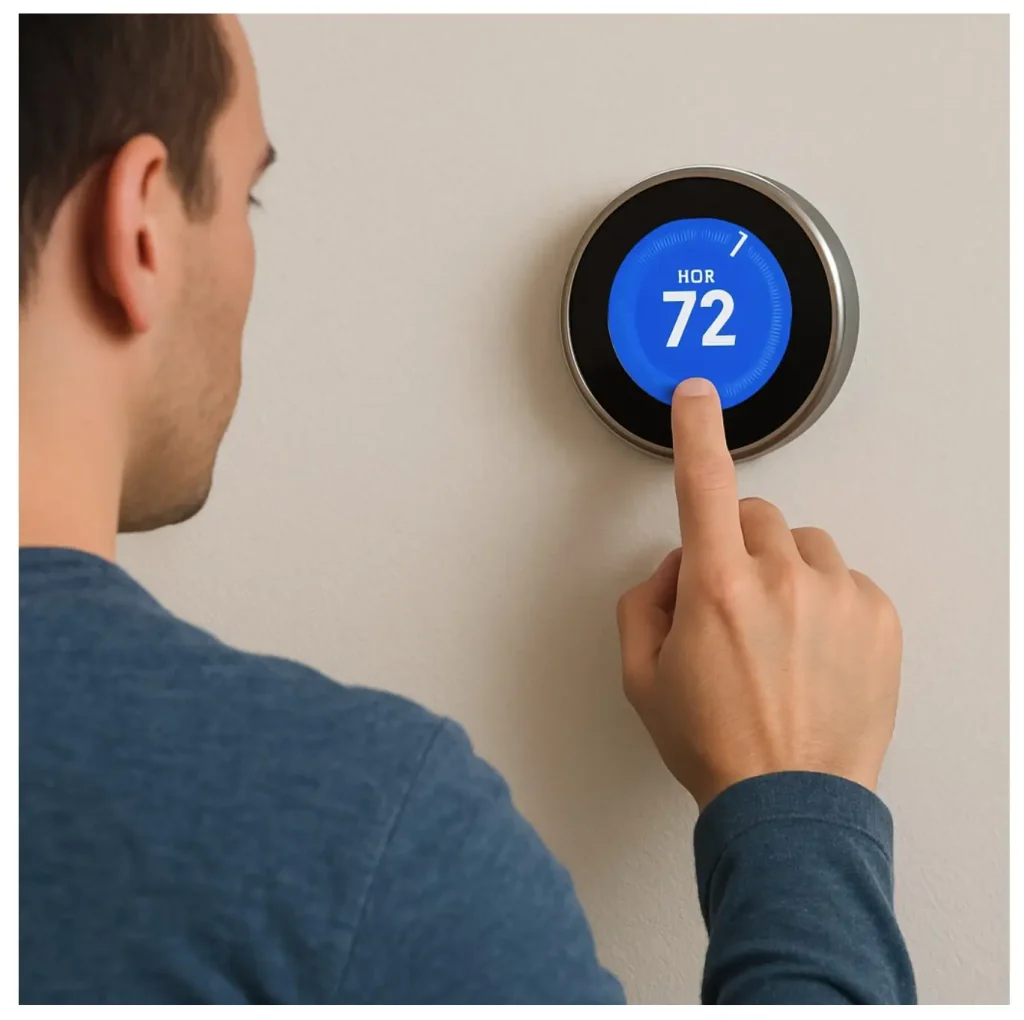
To maximize your savings, start by exploring the ENERGY STAR Rebate Finder and your local utility’s website for credits that can lower your upfront cost. When getting quotes, be sure to confirm smart thermostat compatibility. Adding this simple “brain” to your system is one of the easiest ways to automatically reduce home heating costs, potentially saving you an extra 10% each year without a second thought.
You’re not just shopping for a furnace; you are designing your home’s future comfort and financial efficiency. By pairing the right equipment with the right incentives and technology, you take active control of your energy bills for years to come. That’s not just a purchase—it’s a powerful investment in your home and your peace of mind.
Conclusion
Upgrading your home heating system is a strategic investment that delivers immediate and long-term benefits. The primary advantages are substantial cost savings through improved energy efficiency, enhanced comfort via consistent and even heating, and increased reliability that provides peace of mind. By recognizing the signs of an aging system and understanding modern options, homeowners can make an informed choice that improves daily living while reducing operational costs. This upgrade transforms a home’s climate control from a source of anxiety into a dependable and economical asset.
Frequently Asked Questions
What is the primary financial benefit of installing a high-efficiency furnace?
The main benefit is reduced annual operating costs. ENERGY STAR certified systems can save over $100 per year on utility bills compared to standard older models.
How does a new heating system improve home comfort beyond just temperature?
Modern systems provide more consistent, even heat distribution, eliminating cold spots and drafts. They also operate significantly quieter than old, clunky units.
What is a key non-financial reason to upgrade an aging furnace?
Increased reliability and peace of mind. Upgrading prevents unexpected, costly breakdowns during peak winter, ensuring dependable heat when you need it most.
