 Skip to content



Written by
Paul M.

If you’re heating a Canadian home, you already know winter doesn’t mess around. But here’s what’s changed: energy costs across Canada now range from about $250 to $450 per month for utilities, and how you heat your home makes a massive difference in what you pay. On top of that, federal and provincial rebates for energy-efficient upgrades are making this the best time in years to replace an aging system.
So which system saves you the most money without leaving you cold in February? Let’s break down the three main options—boilers, furnaces, and heat pumps—using plain language and real numbers for 2026.
Summary
- Heat pumps are the most efficient overall, delivering 200–400% efficiency by moving heat instead of burning fuel—though high-efficiency gas furnaces and condensing boilers still reach 90–98% AFUE.
- Each system suits different homes: boilers are best for radiant heating without ductwork, furnaces for homes with existing ducts and cheap natural gas, and heat pumps for those wanting both heating and cooling with lower operating costs.
- Your climate, energy prices, and available rebates matter as much as efficiency ratings—cold-climate heat pumps now work to -30°C, and hybrid systems (heat pump + furnace) are ideal for colder Canadian regions.
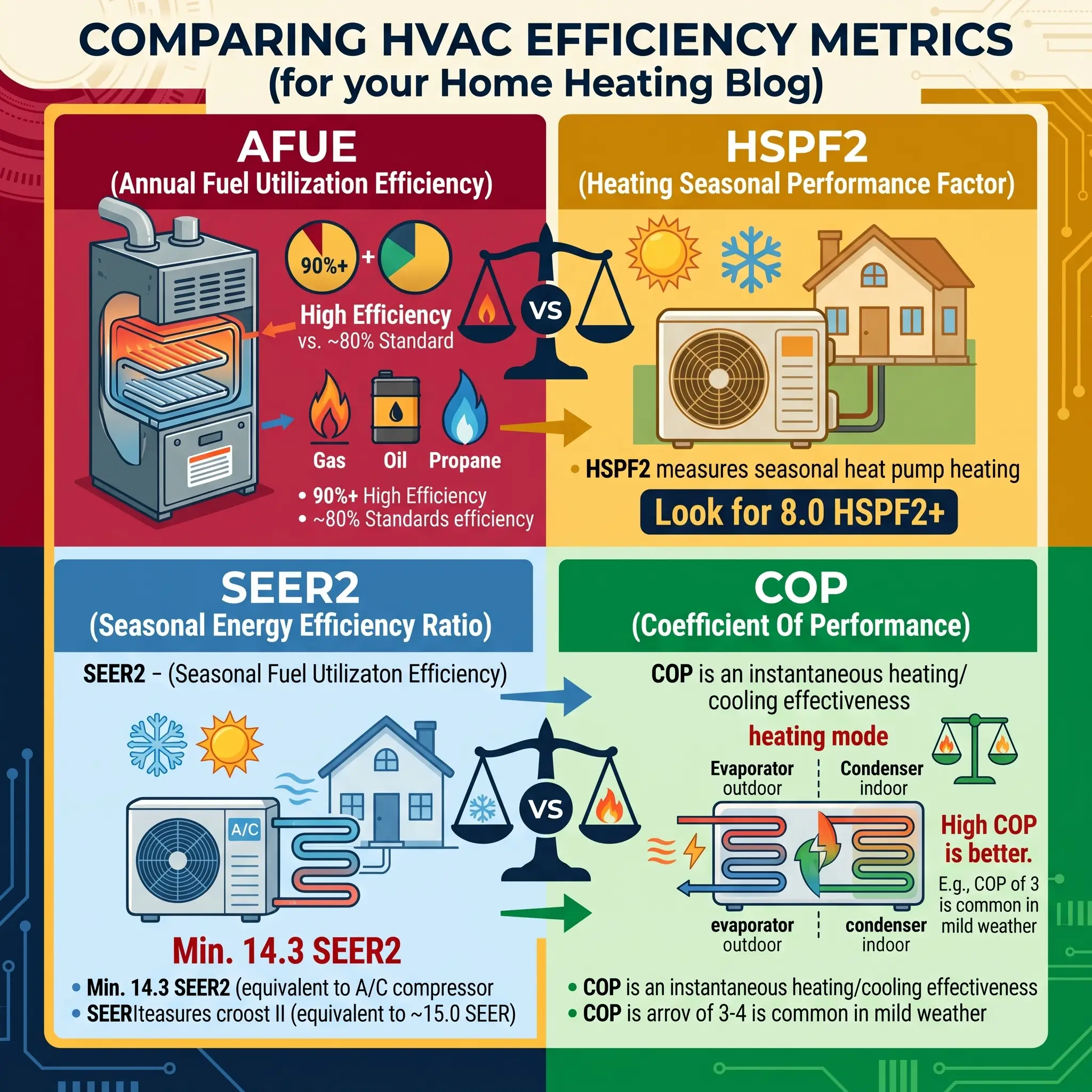
How We Measured Efficiency (AFUE, HSPF, SEER, COP)?
Efficiency ratings are not straightforward so one should pay attention to these.
- AFUE (Annual Fuel Utilization Efficiency): Used for furnaces and boilers. A 96% AFUE furnace turns 96 cents of every dollar’s worth of gas into heat. The rest escapes as exhaust.
- HSPF2 (Heating Seasonal Performance Factor): Used for heat pumps. Higher numbers mean better heating efficiency across a full season.
- SEER2 (Seasonal Energy Efficiency Ratio): Measures heat pump cooling efficiency. If you want air conditioning too, this matters.
- COP (Coefficient of Performance): Used for heat pumps. A COP of 3.0 means the system delivers 3 units of heat for every 1 unit of electricity. That’s 300% efficiency—impossible for any combustion system to match.
The key takeaway: AFUE maxes out around 98%. Heat pump COP can reach 300–400% because they move existing heat instead of burning fuel to create it.
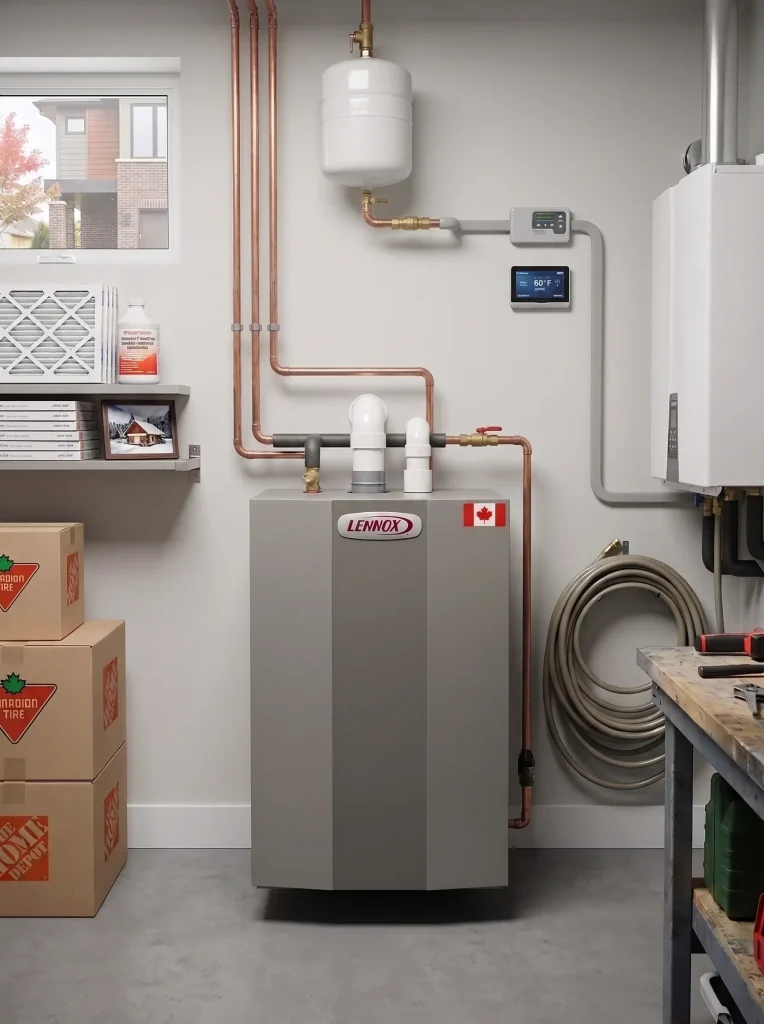
Home Heating System Boiler — Pros, Cons & Efficiency
A boiler heats water and distributes it through pipes to radiators, baseboards, or in-floor radiant heating. There’s no blowing air around—just gentle, consistent warmth.
Efficiency in 2026: Modern condensing boilers achieve 90–98% AFUE. Natural Resources Canada regulations now require gas boilers for hot water systems with tankless coils to meet 90% AFUE standards.
Pros:
- Excellent for radiant heating—warm floors are hard to beat
- No ductwork needed, ideal for older homes
- Quieter than forced-air systems
- Can pair with hybrid heat pump setups for maximum efficiency
Cons:
- Higher upfront cost than furnaces
- Doesn’t provide air conditioning
- Slower to respond to temperature changes
- Repairs can be more complex
Best for: Homes with existing radiator or radiant systems, especially in older Canadian houses where ductwork isn’t practical.
Gas Home Heating System (Furnace) — Pros, Cons & Efficiency
A furnace heats air and pushes it through ductwork to every room. It’s the most common heating system in Canadian homes.
Efficiency in 2026: High-efficiency condensing furnaces reach 95–97% AFUE. Canadian regulations now require 95% AFUE for most new residential gas furnaces. You can find models like Napoleon’s Ultimate 9700 Series rated at up to 97% AFUE.
Pros:
- Lower upfront cost than boilers
- Fast heating response
- Provides air filtration and can add central AC easily
- Parts and service widely available across Canada
Cons:
- Requires ductwork (costly to add if you don’t have it)
- Can create uneven temperatures between floors
- Slightly less efficient than heat pumps in mild weather
Best for: Homes with existing ductwork, especially in provinces with affordable natural gas (Alberta, Ontario, Saskatchewan).
Air Home Heating System (Heat Pump) — Pros, Cons & Efficiency
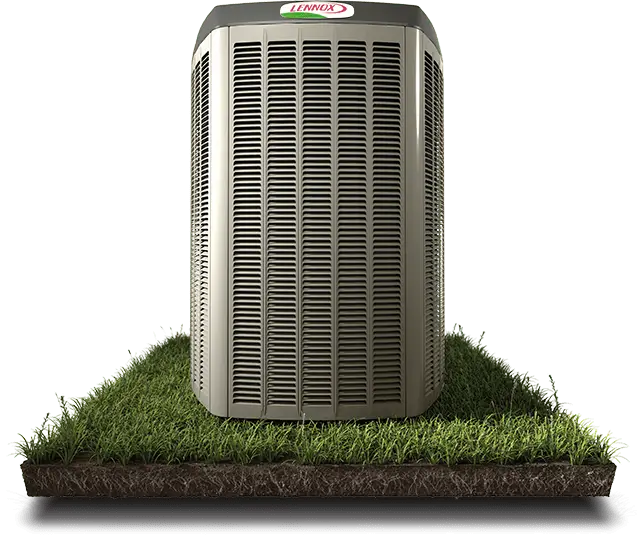
Heat pumps don’t generate heat—they move it. In winter, they extract heat from outside air (yes, even cold air) and bring it inside. In summer, they reverse to cool your home.
Efficiency in 2026: Air-source heat pumps typically deliver 200–350% efficiency (COP 2–3.5). Cold-climate models now operate reliably down to -30°C. The federal government has supported over 281,000 heat pump installations across Canada since 2020, with Ontario alone accounting for more than 104,000.
Pros:
- Highest efficiency available
- Provides both heating and cooling
- Federal and provincial rebates can cover thousands of dollars
- Lower operating costs in most provinces
Cons:
- Higher upfront cost
- Performance drops in extreme cold (though cold-climate models handle Canadian winters)
- May require electrical panel upgrades
- Less effective if your home has poor insulation
Best for: Most Canadian homes, especially where electricity is relatively affordable (Quebec, Manitoba, BC) and where cooling is also desired.
Which Is the Most Efficient Home Heating System for Your Climate?
Efficiency isn’t just about the number on the box—it’s about what works where you live.
British Columbia, Ontario, Quebec (Moderate Winters)
Air-source heat pumps are the clear winner. With hydro rates relatively affordable in Quebec and BC, heat pumps deliver the lowest operating costs. Ontario’s Enbridge HER+ program offers up to $10,000 for heat pump installations.
Prairies (Colder Winters)
A hybrid system—heat pump plus high-efficiency furnace—makes the most sense. The heat pump handles milder days; the furnace kicks in during deep cold snaps. This is increasingly popular for good reason.
Atlantic Canada
Heat pumps work well in Nova Scotia, New Brunswick, and PEI. The Oil to Heat Pump Affordability Program provides up to $15,000 for switching from oil heat.
Northern and Off-Grid Communities
High-efficiency gas boilers or furnaces remain practical choices, though federal programs now specifically support heat pump adoption in these regions too.
Conclusion: Is a Two Stage Furnace Worth It for Your Home?
If you have ductwork and cheap natural gas, a high-efficiency furnace is a solid, affordable choice. If you have radiators or want radiant floor heating, a condensing boiler delivers excellent comfort. But if you want the lowest operating costs, summer cooling, and access to thousands in rebates, a heat pump—possibly paired with a backup furnace—is usually the smartest investment in 2026.
Ready to upgrade? Start by checking what rebates you qualify for through the Canada Greener Homes Initiative. Then get quotes from at least three local HVAC contractors. A properly sized and installed system matters as much as the efficiency rating on the box.
Frequently Asked Questions
Which home heating system is the most efficient overall?
Heat pumps are generally the most efficient, especially geothermal models, which can reach 300–400% efficiency. However, in very cold climates, a high-efficiency gas furnace or hybrid system may perform better. Cold-climate heat pumps now operate effectively to -30°C, making them viable across most of Canada.
Is a boiler or furnace more efficient for home heating?
A: Modern condensing boilers can reach 90–98% AFUE, similar to high-efficiency furnaces. Boilers are often better for radiant heating, while furnaces are better for forced-air systems with ductwork.
Will a heat pump work in Canadian winters?
Yes. Modern cold-climate heat pumps are engineered for Canadian conditions and maintain efficiency down to -30°C. Many homeowners pair them with a backup furnace for extreme cold snaps.

