 Skip to content


Written by
Paul M.

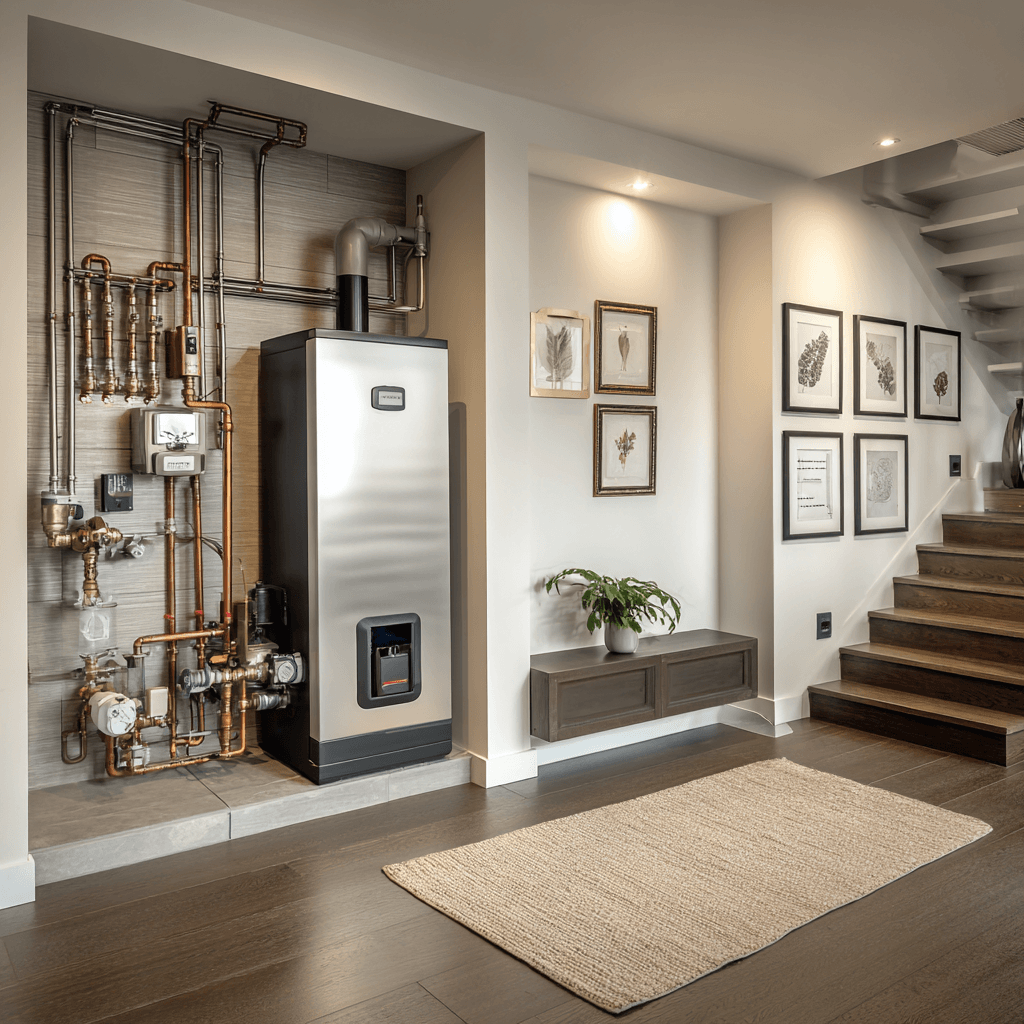
Investing in a central heating system is a smart choice for homeowners. It offers numerous benefits that go beyond just warming your home. Central heating is a whole-home approach to comfort: one system generates heat and distributes it throughout the house.
For many Canadian homeowners, the investment is justified by improved comfort consistency, stronger energy performance, and better controllability—often paired with higher property appeal. When designed correctly and maintained well, central heating can be both a practical upgrade and a long-term asset.
Discover why central heating is worth the investment for your home.
Summary
- Central heating delivers more consistent whole-home comfort than room-by-room heaters, especially in Canadian winters.
- Modern, high-efficiency systems can reduce heating costs through better controls, zoning, and improved central heating efficiency.
- Choosing energy-efficient heating (e.g., condensing gas, cold-climate heat pumps) can lower emissions and improve long-term value.
- Maintenance—especially understanding the benefits of power flushing central heating system hydronic loops—supports reliability, quieter operation, and efficiency.
What a Central Heating System Is (and the Main Types)
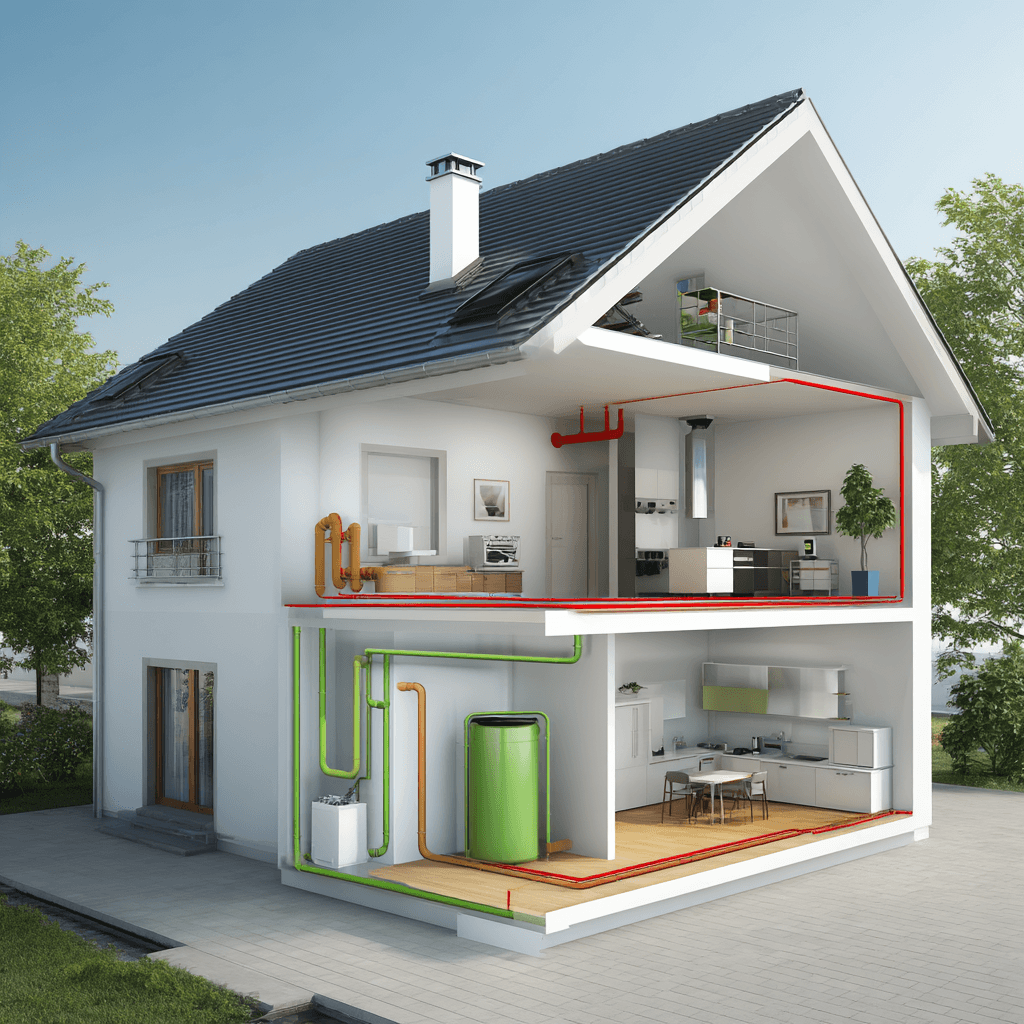
Central heating produces heat at a central appliance and distributes it through ductwork or piping to multiple rooms.
Forced-Air (furnace + ducts)
A furnace heats air and moves it through ducts to supply vents. This is common in many Canadian homes and can integrate easily with filtration, humidification, and central air conditioning.
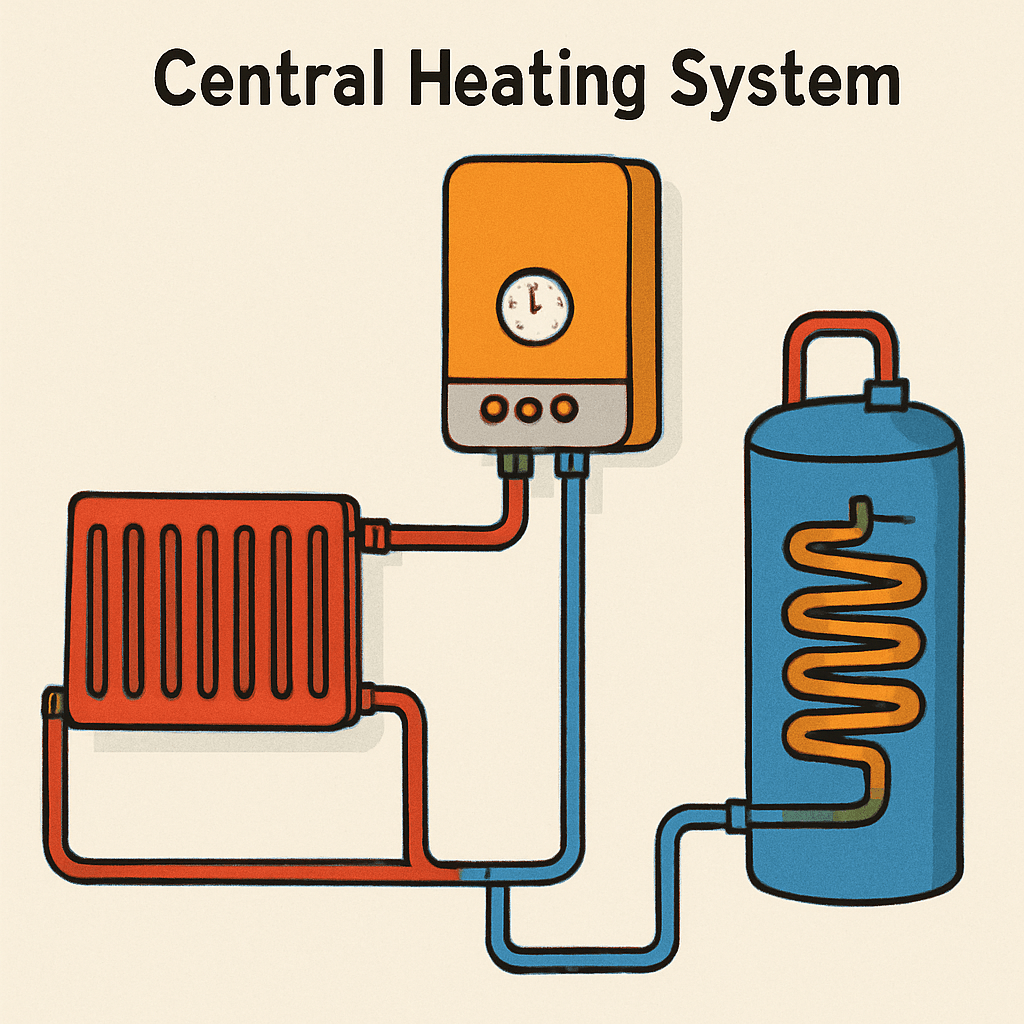
Hydronic (boiler + hot water distribution)
A boiler heats water that circulates through radiators, baseboards, or in-floor tubing. Hydronic systems are valued for steady comfort and quiet operation, and they are a frequent focus of maintenance topics like system flushing.
Heat pump-based central systems
Cold-climate air-source heat pumps can provide energy-efficient heating and cooling, sometimes paired with a backup furnace or electric resistance for extreme conditions. Proper sizing and commissioning are critical for performance.
Consistent Comfort: Even Heat Distribution and Fewer Cold Spots
A core benefit of central heating is uniformity. Instead of relying on isolated heat sources, the system is engineered to deliver heat where it is needed—typically with fewer temperature swings across rooms.
Better comfort in multi-level homes
Central systems can be balanced to reduce common issues such as overheated upper floors or chilly basements. Where needed, zoning dampers (forced-air) or manifold controls (hydronic) can further tighten comfort control.
Quiet, unobtrusive operation
Compared with multiple portable heaters, a single central system generally reduces noise clutter and keeps heat delivery more discreet—especially when components are maintained and airflow/waterflow is correctly adjusted
Energy-Efficient Heating: Why Central Systems Can Cost Less to Run
Central systems are often more economical than room-by-room electric resistance heating because they can deliver more usable heat per unit of energy—particularly with high-efficiency gas equipment or heat pumps.
Equipment efficiency and heat loss control
Modern appliances reduce waste through improved combustion design (for gas), better heat exchangers, and tighter control logic. When paired with insulation and air sealing, they support meaningful reductions in seasonal heating demand.
Controls that reduce waste
Programmable and smart thermostats help prevent overheating and can align heating output with occupancy. In practice, control quality can be as important as equipment efficiency in determining real-world bills.
Central Heating Efficiency: What Actually Improves Performance
“Central heating efficiency” is not only an equipment rating; it is also the result of system design, distribution performance, and maintenance.
Correct sizing and commissioning
Oversized equipment can short-cycle (frequent on/off operation), which may reduce comfort and efficiency. A load calculation and proper commissioning generally improve both fuel use and longevity.
Distribution matters (ducts, pipes, balancing)
Leaky or uninsulated ducts in unconditioned spaces can waste heat. Hydronic systems can suffer from poor balancing or restricted flow. Distribution upgrades often deliver efficiency gains that homeowners feel immediately as improved comfort.
Filtration and airflow (forced-air)
A high-restriction filter or dirty blower can reduce airflow, increasing runtime and reducing comfort. Matching filtration to system capacity is a practical way to protect efficiency.
The Benefits of Power Flushing Central Heating System (Hydronic)
Power flushing is a cleaning process for hydronic systems intended to remove sludge, corrosion debris, and other contaminants that restrict flow and reduce heat transfer.
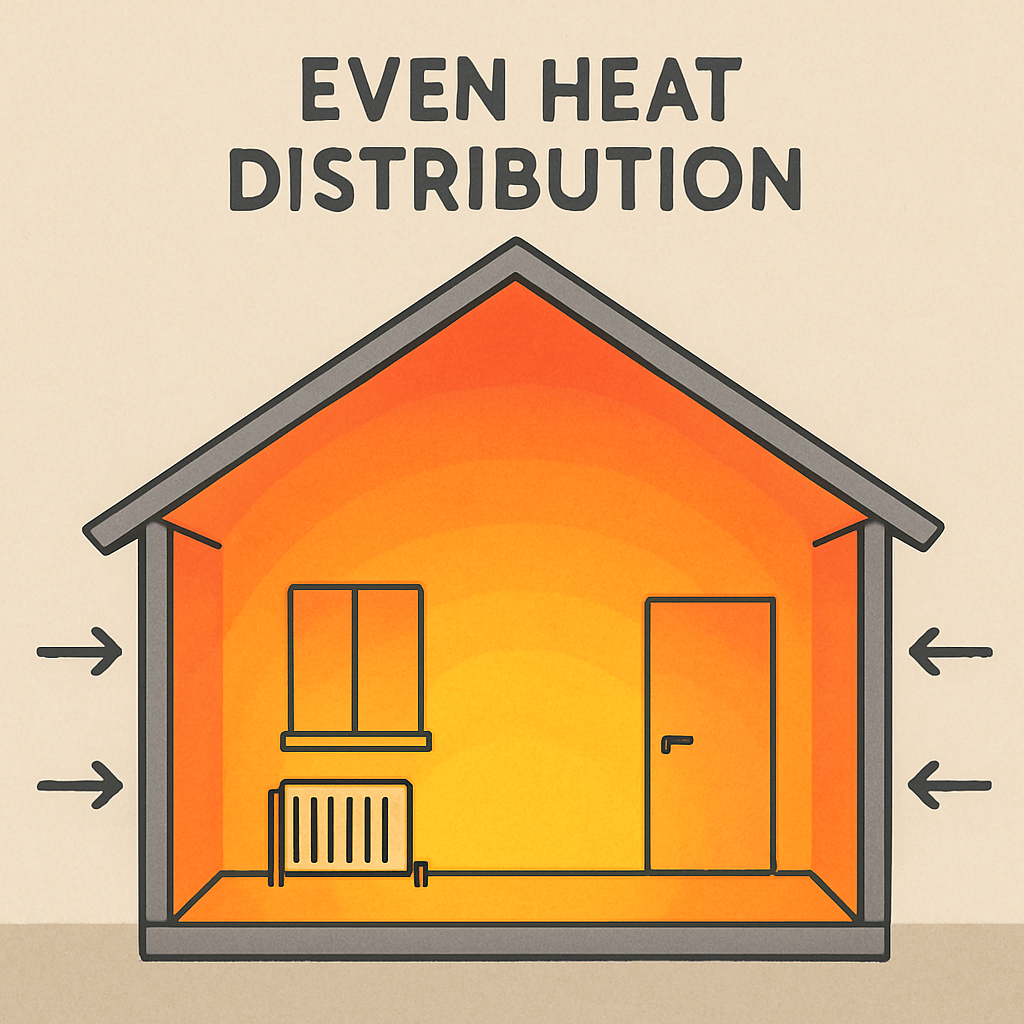
Image AltText: Indoor Air quality Central Heating System
Why sludge reduces efficiency
Deposits can narrow pipe pathways and reduce circulation, forcing the boiler and pump to work harder. Radiators or zones may heat unevenly, and some rooms can lag behind even when the boiler is running.
Practical benefits homeowners notice
The benefits of power flushing central heating system maintenance commonly include:
- More even heat output across radiators/zones
- Faster warm-up and improved responsiveness
- Reduced noise (e.g., gurgling/knocking linked to circulation issues)
- Lower risk of component strain and premature failures
When power flushing is most relevant
It is often considered when radiators have cold spots, systems are slow to heat, pumps are noisy, or a boiler upgrade is being installed on an older loop. A qualified technician should confirm suitability and protect sensitive components.
Health, Air Quality, and Safety Advantages
Central heating can support healthier indoor conditions when paired with appropriate ventilation and (for forced-air systems) effective filtration.
Filtration and allergen control (forced-air)
A central filter can reduce circulating dust and particulates compared with localized heaters that do nothing for filtration. The results depend on filter selection, duct condition, and maintenance intervals.
Reduced fire and tip-over risk vs portable heaters
Central systems reduce reliance on plug-in space heaters, lowering risks associated with high-wattage devices, cords, and proximity to combustibles.
Smart Controls, Zoning, and Customization
Modern central heating is increasingly defined by control precision—how accurately the system matches heat delivery to lifestyle and room-by-room needs.
Zoning for comfort and savings
Zoning can avoid heating rarely used areas to the same level as primary living spaces. In Canadian winters, this can meaningfully reduce waste without sacrificing comfort.
Remote management and optimization
Smart thermostats and app controls can help manage setbacks, vacation schedules, and real-time adjustments—useful for variable work schedules and travel.
Long-Term Value: Durability, Reliability, and Home Resale Appeal
A well-installed central system is typically a long-life home component. Buyers also tend to value homes with modern, efficient heating already in place.
Lower disruption and fewer “stopgap” purchases
Central heating can reduce the ongoing need for temporary solutions (portable heaters, patch repairs), shifting costs into planned maintenance.
Investment logic
While upfront costs can be significant, the combination of comfort, reduced operating costs, and durability often improves the overall cost-of-ownership profile—especially when efficiency measures and maintenance are sustained.
Installation, Maintenance, and Upgrade Priorities (Canada)
Central heating performance depends heavily on design choices and upkeep.
Installation priorities
- Proper sizing based on a heat-loss calculation
- Distribution integrity (duct sealing/insulation or hydronic balancing)
- Control strategy (thermostat placement, zoning, scheduling)
Maintenance basics
Annual professional service is a common baseline. Homeowner-friendly steps include filter changes (forced-air), keeping vents unobstructed, and monitoring unusual noises or uneven heating patterns.
Upgrade paths
Common value upgrades include higher-efficiency appliances, better controls, zoning, duct improvements, and (for hydronic) water-quality management practices that may include flushing when indicated.
Conclusion: Is Central Heating Worth the Investment?
For many Canadian homes, central heating is worth the investment because it improves whole-home comfort, supports energy-efficient heating, and can raise practical long-term value when properly designed and maintained. The strongest outcomes come from pairing efficient equipment with good distribution performance, smart controls, and appropriate maintenance—including understanding when the benefits of power flushing central heating system upkeep apply.
Frequently Asked Questions
How does central heating improve indoor air quality?
Forced-air central systems improve air quality by circulating air through a central filter, trapping dust and allergens. This reduces airborne particles compared to portable space heaters, which lack filtration. Results depend on filter quality, clean ducts, and regular maintenance.
What is power flushing, and when is it needed?
Power flushing cleans sludge and debris from hydronic (boiler) pipes and radiators using pressure. It’s needed if you notice cold spots on radiators, gurgling noises, slow warming, or when installing a new boiler on an old system. It restores efficiency by improving water flow.
Why does furnace/boiler size matter for efficiency?
Proper sizing is critical because oversized equipment short-cycles (frequent on/off), wasting energy and causing uneven temperatures. This increases wear and shortens lifespan. A correctly sized unit runs longer cycles, delivering consistent comfort and lower operating costs.

