 Skip to content


Written by
Paul M.

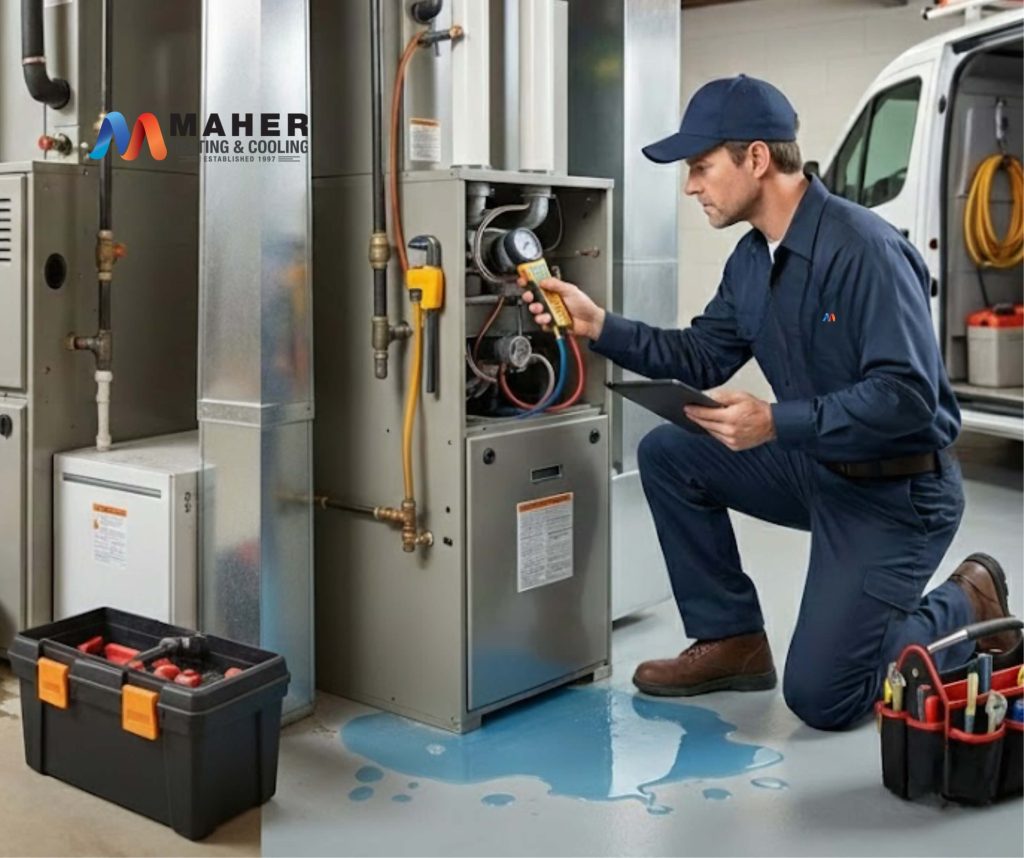
If you’ve noticed water pooling around your furnace, it’s important not to ignore it. A furnace leaking water can lead to significant damage if not addressed promptly. Ignoring such issues can exacerbate damage to surrounding structures and even pose safety risks, such as electrical hazards. In this article, we’ll guide you through some do-it-yourself (DIY) maintenance tips and explain when it’s time to call in the professionals. We’ll cover the common causes of a furnace leaking water, how to troubleshoot the problem, and how to prevent future leaks, ensuring your furnace operates efficiently and safely.
Summary
Most furnace water leaks arise from condensate drainage issues, humidifier malfunctions, clogged overflow lines, or nearby plumbing. This guide details safe DIY checks—powering down, clearing condensate and overflow lines, inspecting the humidifier, and reviewing adjacent plumbing—and clarifies when to call a professional for persistent leaks or complex internal repairs. It also covers preventative maintenance like routine cleaning and annual inspections to keep the system efficient and avoid future water damage.
Furnace Problems: DIY
A leaking furnace commonly results from condensate drainage problems, humidifier malfunctions, or nearby plumbing issues. This guide outlines safe DIY steps.
Step 1: Identify the Root Cause
Before diving into solutions, let’s explore why your furnace might be leaking water. Identifying the root cause is crucial to fixing the issue effectively. Understanding the various components and their functions can provide insight into where and why leaks might occur. A well-maintained furnace should not leak, so if you notice water, it’s a sign that something has gone awry.
- Condensation Leak: High-efficiency furnaces use two heat exchangers to generate more heat and produce condensation as a byproduct. This condensation is usually directed through a drain line. If the condensation tubing or drain is clogged or broken, water can leak out, pooling around the base of the furnace. Blockages may occur due to dirt, mold, or even small pests, highlighting the importance of regular inspection and cleaning.
- Humidifier Leak: If your furnace has a built-in humidifier, it might be the source of the leak. A malfunction or clog within the humidifier can cause water to escape. This can happen if the water panel or filter is not replaced regularly or if there’s a fault in the water line connection. Continuous leaks from the humidifier can lead to mold growth and structural damage if not promptly addressed.
- Plumbing Leak: Sometimes, the leak may not come from the furnace itself but from nearby plumbing. Check surrounding pipes for any signs of leakage. A nearby plumbing leak can mimic a furnace issue, and it’s crucial to determine the true source to apply the correct solution. Checking for wet spots or listening for dripping sounds can help pinpoint the issue.
- Overflow Pipe Leak: A clogged condensate line can cause water to back up and leak from the furnace’s overflow pipe. The overflow is a safety feature, but constant leaking indicates a problem that needs fixing. Regularly flushing the line can prevent blockages and maintain proper drainage.
If you’re a handy homeowner, you might feel confident tackling some basic maintenance tasks to stop the leak. However, always ensure you understand the risks and have the right tools before starting. Here’s a step-by-step guide to help you get started, providing a structured approach to address and resolve minor leaks.
Safety should always come first. Before starting any maintenance, turn off the furnace and disconnect its power source. This will prevent any electrical accidents and ensure your safety. Working with electrical appliances while they’re powered can result in severe injuries, so always double-check that the furnace is off before proceeding. Additionally, turning off the water supply, if accessible, can help manage leaks more effectively.
Step 2: Inspect and Clean the Condensate Line
Condensate lines can become clogged with debris over time. Use a wet/dry vacuum to clear any blockages in the line. Additionally, check for cracks or damage and replace the line if necessary. Regular cleaning and inspection can prevent minor clogs from becoming major issues that require professional repair. A simple mixture of vinegar and water can be used periodically to keep the line clear and functioning.
Step 3: Check the Humidifier
If your furnace has a humidifier, inspect it for any clogs or malfunctions. Clean the humidifier and replace any damaged parts to ensure it’s functioning correctly. Often, issues with the humidifier stem from mineral buildup or faulty connections, which can be easily resolved with regular maintenance. Ensuring that water panels are replaced as recommended by the manufacturer can help prevent leaks and other issues.
Step 4: Inspect Nearby Plumbing
Examine the surrounding plumbing for leaks. If you find any, repair or replace the damaged pipes to prevent further water damage. Leaks in nearby plumbing can be a sign of larger issues, such as corroded pipes, which might require more extensive repairs. Using a moisture meter can help detect hidden leaks within walls or under floors.
Step 5: Clear the Overflow Pipe
If water is leaking from the overflow pipe, it could be due to a blockage. Use a plumber’s snake or similar tool to remove any obstructions from the pipe. Regular maintenance of the overflow system ensures the furnace operates without unnecessary interruptions. Clearing the overflow regularly can prevent water damage and keep your furnace running efficiently.
When to Call a Professional
While DIY maintenance can resolve many issues, some situations require professional intervention. Attempting complex repairs without the proper knowledge can lead to further damage or void warranties.
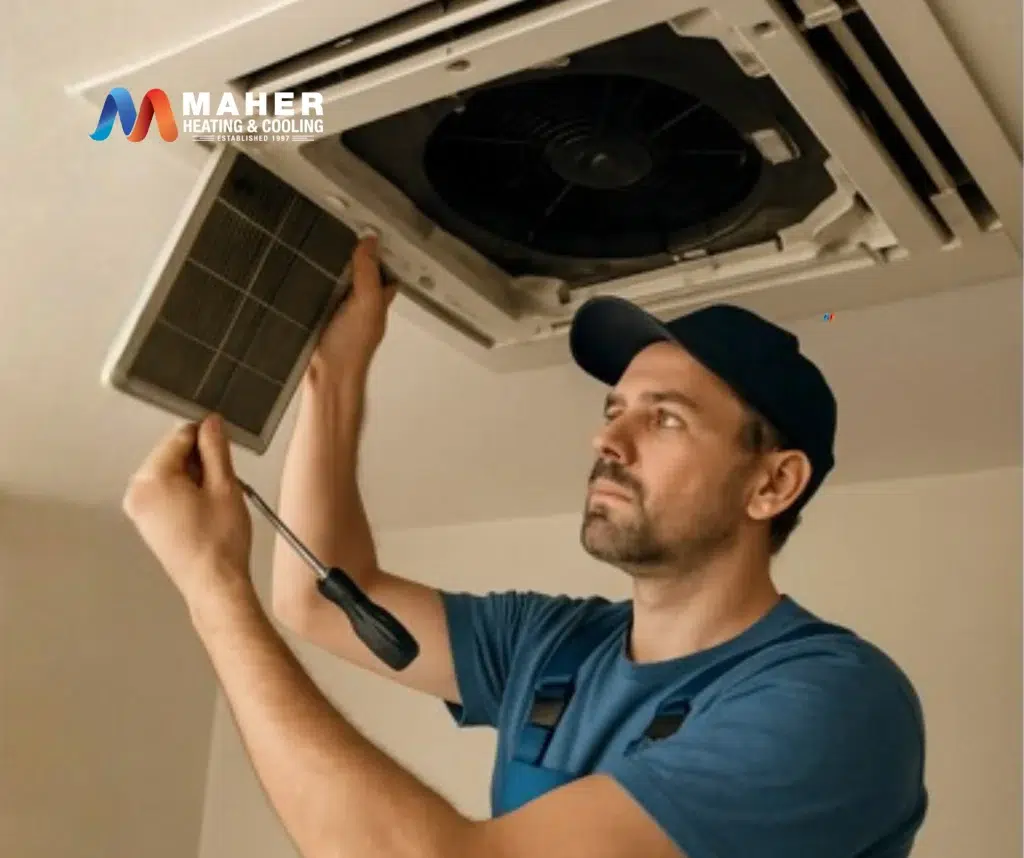
Here are some scenarios where it’s best to call in a professional:
Persistent Leaks
If you’ve tried the above steps and the furnace is still leaking water, it’s time to consult a professional. Persistent leaks could indicate a more serious underlying issue that requires expert attention. Continuous water presence can lead to mold growth and structural damage, emphasizing the need for timely professional assistance. A certified technician can diagnose the problem accurately and recommend long-term solutions.
Complex Repairs
Some repairs, such as replacing heat exchangers or repairing internal components, are best left to professionals with the necessary expertise and tools. These components are integral to the furnace’s operation, and incorrect handling can result in costly damages or safety hazards. Professionals have the training and experience to ensure repairs are done safely and effectively, preserving the furnace’s efficiency and longevity.
Regular Maintenance
Even if you manage to fix the leak yourself, scheduling regular maintenance with a professional is important. They can perform comprehensive inspections and ensure your furnace operates efficiently and safely. Regular check-ups can extend the life of your furnace, improve its performance, and reduce the likelihood of future leaks. Professional maintenance can also provide peace of mind, knowing that potential issues are addressed before they escalate.
Preventing Future Furnace Water Leaks
Prevention is always better than cure. Here are some tips to prevent future furnace leaks, ensuring your heating system remains reliable and efficient year-round:
- Regular Inspections: Schedule annual furnace inspections to catch potential issues before they become major problems. A professional can spot wear and tear that might not be obvious to the untrained eye, preventing costly repairs down the line.
- Clean Condensate Lines: Regularly clean and maintain the condensate lines to prevent clogs and leaks. Consistent maintenance helps ensure that the lines remain clear and functional, reducing the risk of water damage.
- Check Humidifier Functionality: Ensure your humidifier is functioning correctly and clean it regularly to avoid leaks. Regular cleaning and part replacement as needed can prevent the small issues that lead to larger problems.
- Monitor Plumbing: Keep an eye on nearby plumbing to catch leaks early and prevent water damage. Regularly inspect all visible pipes and listen for unusual sounds that might indicate a hidden leak.
Conclusion
A furnace leaking water can be a frustrating issue, but with the right approach, it’s manageable. By understanding the common causes and following our DIY tips, you can often resolve the problem yourself. However, don’t hesitate to seek professional help when needed, especially for persistent or complex issues. Regular maintenance and inspections are key to ensuring your furnace operates smoothly and efficiently for years to come. By staying proactive, you can prevent water leaks and enjoy a warm, dry home throughout the heating season. Being informed and prepared empowers you to maintain your furnace effectively, reducing the likelihood of unexpected breakdowns and ensuring comfort in your home.
Frequently Asked Questions
What should I do if I notice water pooling around my furnace?
If you notice water pooling around your furnace, the first step is to turn off the furnace and disconnect its power source to ensure safety. Then, check for the source of the leak by inspecting the condensate lines, humidifier, plumbing, and overflow pipe. If you cannot identify or resolve the issue, it’s best to call a professional.
How can I tell if the leak is coming from my furnace or nearby plumbing?
To determine the source of the leak, inspect your furnace and its components, including the condensate lines and humidifier. Check for signs of water damage or leaking pipes in the surrounding areas. If the leak continues even after addressing the furnace, it may indicate a plumbing issue that requires further investigation.
How often should I have my furnace inspected for maintenance?
It’s advisable to have your furnace inspected at least once a year, ideally before the heating season begins. Regular inspections can help identify potential issues early, ensure efficient operation, and prevent costly repairs or unexpected breakdowns in the future.

