 Skip to content


Written by
Paul M.

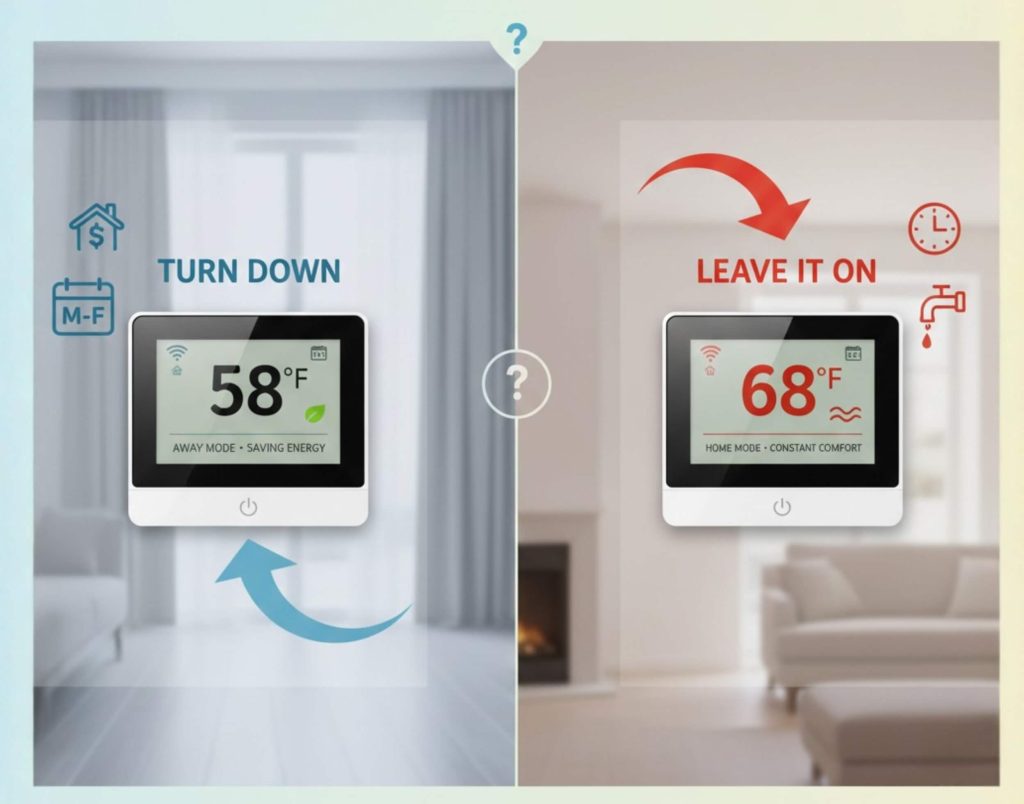
The thermostat debate is a hot topic among homeowners. Should you turn it down or leave it on when the house is empty? This question sparks discussions about energy efficiency and cost savings. Turning down the thermostat can lead to lower energy bills. It reduces electricity usage when no one is home. But is it always the best choice?
Leaving the thermostat on maintains a stable indoor climate. It can prevent your HVAC systems from working too hard when you return. This might save on maintenance costs in the long run.
Programmable thermostats and smart thermostats offer a middle ground. They allow for remote temperature monitoring and control. This technology can optimize energy usage and enhance home energy management. Home insulation also plays a crucial role. It affects how well your home retains heat or cool air. Good insulation can reduce the need for frequent thermostat adjustments.
Ultimately, the decision depends on various factors. These include your home’s insulation, local climate, and personal preferences. Understanding these can help you make an informed choice.
Summary
Turning down the thermostat while you’re away generally saves energy and lowers bills, especially in well-insulated homes. Leaving it on can maintain comfort, protect materials, and reduce system cycling, though it may increase energy use. Smart and programmable thermostats offer a balanced approach with scheduling, learning, and remote control to optimize efficiency. The best choice depends on insulation quality, local climate, HVAC characteristics, and whether you prioritize cost savings, comfort, or sustainability.
Introduction to the Thermostat Debate
The thermostat debate is a prominent topic among homeowners concerned with energy efficiency and comfort. Should you turn down your thermostat or leave it on when your house is empty? Understanding the implications of each choice can lead to significant energy savings and a more efficient home.
Importance of Energy Efficiency and Cost Savings
Energy efficiency plays a crucial role in reducing electricity bills and minimizing environmental impact. By optimizing how we manage indoor climates, we can save money while contributing to energy conservation efforts.
Overview of Thermostat Options Available
Modern technology offers various thermostat options, from traditional manual models to programmable and smart thermostats. Each serves a distinct purpose in managing home energy use effectively.
The Case for Turning Down Your Thermostat
Turning down your thermostat during absences can lead to noticeable cost savings and reduced energy consumption. It involves lowering temperature settings to save energy when the house is empty.
Benefits of Lowering Temperature Settings
- Energy Savings and Reduced Electricity Usage: Lowering the thermostat by a few degrees can significantly decrease energy bills, especially in well-insulated homes.
- Extending the Lifespan of HVAC Systems: Keeping the temperature lower means that HVAC systems don’t work as hard, which can reduce wear and tear.
Environmental Impact of Energy Conservation
By reducing energy consumption, homeowners contribute to environmental sustainability. Lowering the thermostat lessens the carbon footprint and supports climate control efforts.
Role of Programmable and Smart Thermostats
Programmable and smart thermostats provide an intelligent solution for energy management. These devices can be scheduled to adjust temperature settings according to daily routines, maximizing comfort and energy efficiency.
Benefits of Leaving the Thermostat On
While turning down the thermostat has its advantages, leaving it on can also provide significant benefits.
Maintaining a Stable Indoor Climate
Keeping the thermostat on helps maintain a consistent indoor temperature, avoiding uncomfortable fluctuations that can disrupt comfort.
- Impact on Comfort and Temperature Control: A stable climate is essential for a welcoming home environment.
HVAC System Longevity and Efficiency
Leaving the thermostat on reduces the need for systems to frequently cycle on and off, which contributes to decreased wear and tear.
- Reducing Wear and Tear on Equipment: Less cycling ensures longer-lasting HVAC performance.
Protection for Sensitive Materials and Electronics
Maintaining a stable temperature helps protect sensitive materials and electronics from damage caused by extreme temperature changes.
- Preventing Damage from Temperature Fluctuations: Consistency is crucial for avoiding potential issues like mold or structural damage.
Smart Thermostats: Bridging the Gap
Smart thermostats offer an effective middle ground in the thermostat debate, combining energy savings with optimal comfort.
Key Features of Smart Thermostats
Smart thermostats come equipped with features designed to enhance energy management.
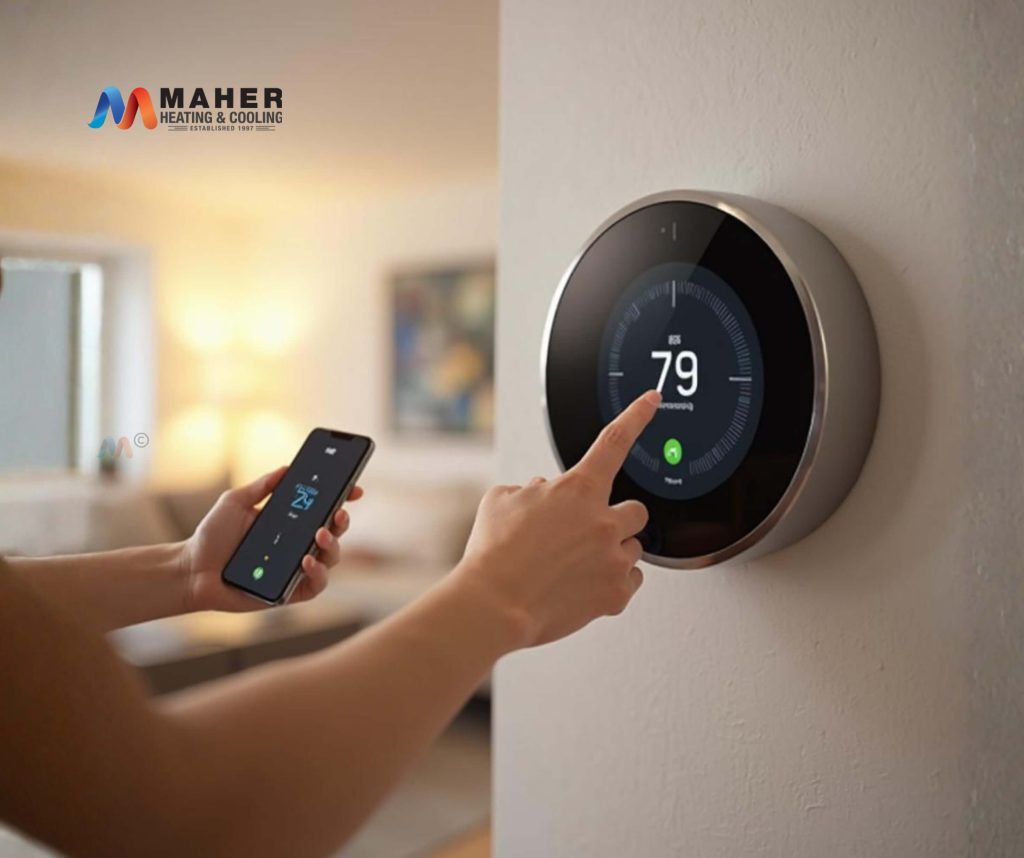
- Learning Capabilities and Remote Access: These devices can learn user habits and allow for temperature adjustments from anywhere via smartphone apps.
Integration with Home Automation
Smart thermostats seamlessly integrate with home automation systems, optimizing energy use throughout the home.
- Optimizing Energy Efficiency and Usage Reports: They provide insights into energy consumption, helping homeowners make informed decisions.
Cost Savings Through Advanced Technology
The upfront investment in smart technology can yield long-term financial benefits, as they help reduce energy bills over time.
- Long-term Financial Benefits: By utilizing energy efficiently, homeowners can offset the costs associated with smart thermostat installation.
Evaluating Your Home’s Needs
Choosing the best thermostat approach depends on several factors unique to each home.
Importance of Home Insulation
Home insulation plays a critical role in maintaining efficient temperature control.
- How Insulation Affects Energy Savings: Adequate insulation allows homes to retain heat and cool air, enhancing the effectiveness of thermostat settings.
Considering Local Climate and Personal Preferences
Homeowners should assess their specific needs and preferences when determining their thermostat strategy.
- Balancing Comfort with Energy Efficiency: Understanding personal comfort levels and local weather patterns is key to making the right choice.
The “Sweet Spot” Settings
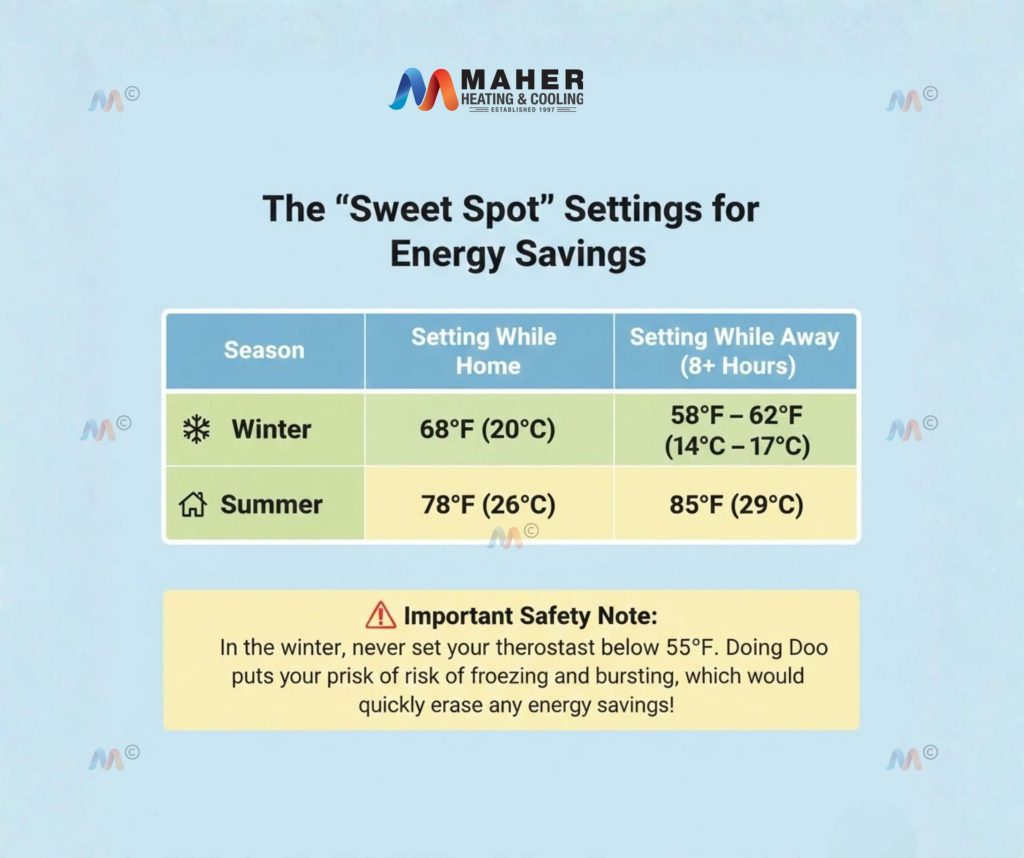
According to the DOE, you can save as much as 10% a year on heating and cooling by simply turning your thermostat back 7°–10°F for 8 hours a day.
Conclusion
In the thermostat debate, weighing the options of turning down versus leaving the thermostat on requires careful consideration of energy savings and comfort needs. Both methods have distinct advantages that can suit different lifestyles.
Weighing the Options: Turning Down vs. Leaving On
Turning down the thermostat can effectively lower energy bills, especially for those focused on cost savings. In contrast, keeping it on fosters a stable indoor environment appealing to those prioritizing comfort.
The Role of Smart Technology in Future Energy Management
Smart thermostats offer innovative solutions that bridge traditional methods and automation, providing flexibility and efficiency for modern homeowners.
Encouraging Thoughtful Energy Usage for Homeowners
Ultimately, mindful energy management is about understanding personal preferences, considering home insulation, and assessing local climate conditions. With the right approach, homeowners can achieve a balance that supports both comfort and energy conservation.
This revised blog ensures clarity, optimized structure, and effective use of SEO keywords to help improve search engine rankings.
Frequently Asked Questions
Does lowering the thermostat at night reduce heating costs?
Yes. Lowering your thermostat by about 7–10°C while you sleep can reduce your annual heating costs by 5–15%. A programmable thermostat makes this adjustment automatic and hassle-free.
Is it worth lowering the heat when no one is home during the day?
Yes. Turning the temperature down when no one is home cuts energy consumption and reduces heat loss, which helps lower heating bills.
Is it better to shut the heat off or keep it running at a lower setting?
It’s best to turn it down rather than off. Completely shutting off the heat can lead to frozen pipes and increased energy use when reheating your home. A safe and efficient range when away is around 13–17°C.

